


RMA reform could ‘bankrupt the district’ - deputy mayor

Sue Wards
09 December 2025, 2:02 AM
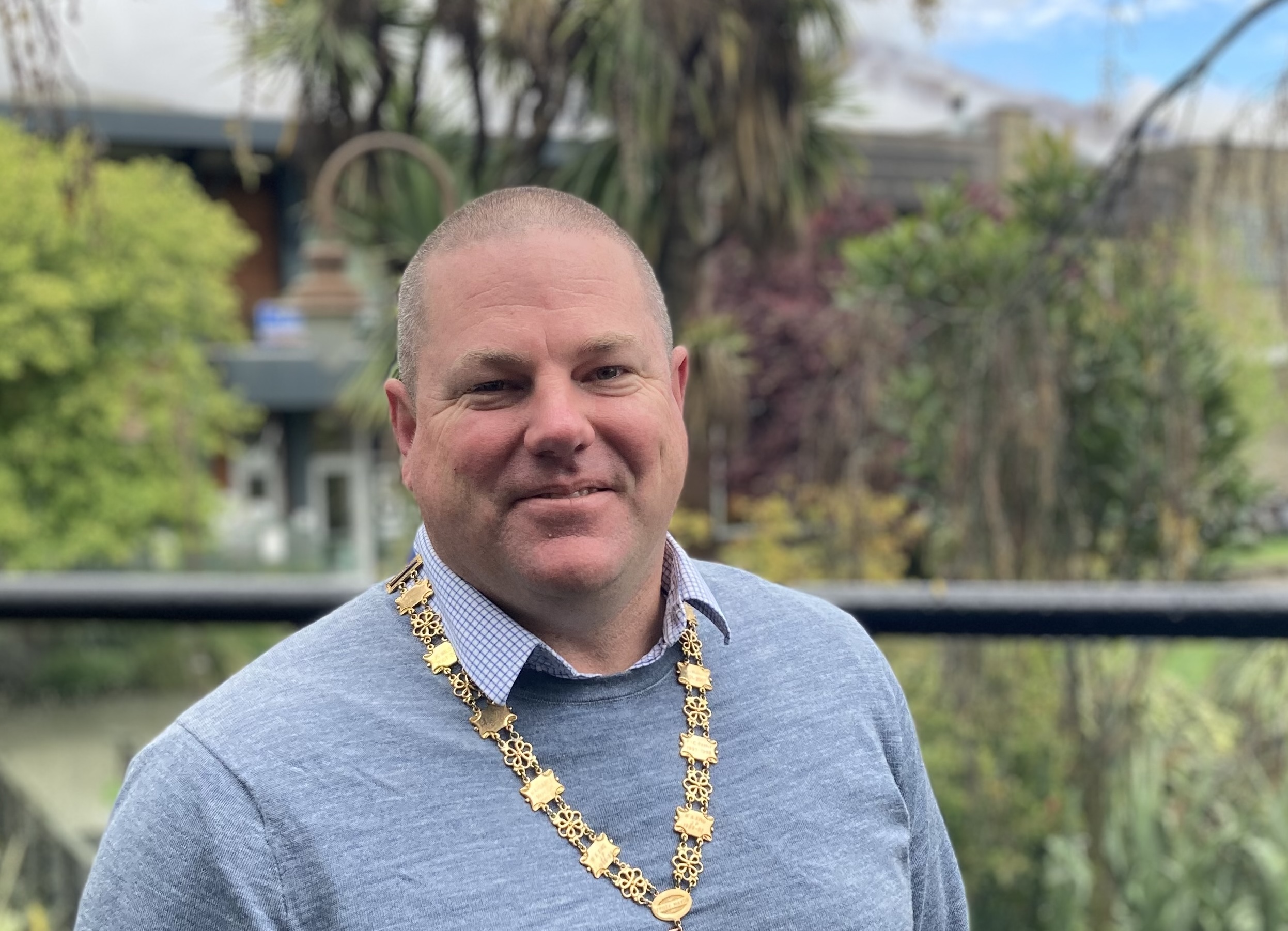 Deputy mayor Quentin Smith says one reform provision has the potential to bankrupt this district.
The government’s proposed new planning system, announced today (Tuesday December 9), contains a “frankly bizarre” provision which has the potential to bankrupt Queenstown Lakes District Council (QLDC), according to the deputy mayor.
Resource Management Act (RMA) reform minister Chris Bishop has announced a new planning system “to cast off the shackles imposed by the broken [RMA], and set New Zealand on a path to economic growth that lifts our living standards and protects the environment”.
QLDC deputy mayor Quentin Smith, who was formerly a planner, said the council is still “getting [their] heads around the proposed changes”, some of which the council saw coming and was preparing for.
“However, the one really quite frankly bizarre provision is … the suggestion that landowners should be compensated for restrictions imposed for landscape, heritage and biodiversity reasons,” he said.
“With 97 percent of the QLDC district being Outstanding Natural Landscapes/Features or similar, the impact on our district seems extreme and council’s ability to financially compensate land owners would be very limited.
“As a district we literally bank on the landscapes and natural values that draw people here and there has been very hard work over many years to protect those values. This appears at face value to put that at risk.
“On face value it has the potential to bankrupt our district,” he said.
The provision, titled ‘recognising efforts to help nature’, sets out the possibility of regulatory relief - including cash payments, reduced rates, no-fee consents and other measures - for people significantly affected by land-use restrictions related to outstanding natural features, and similar protections.
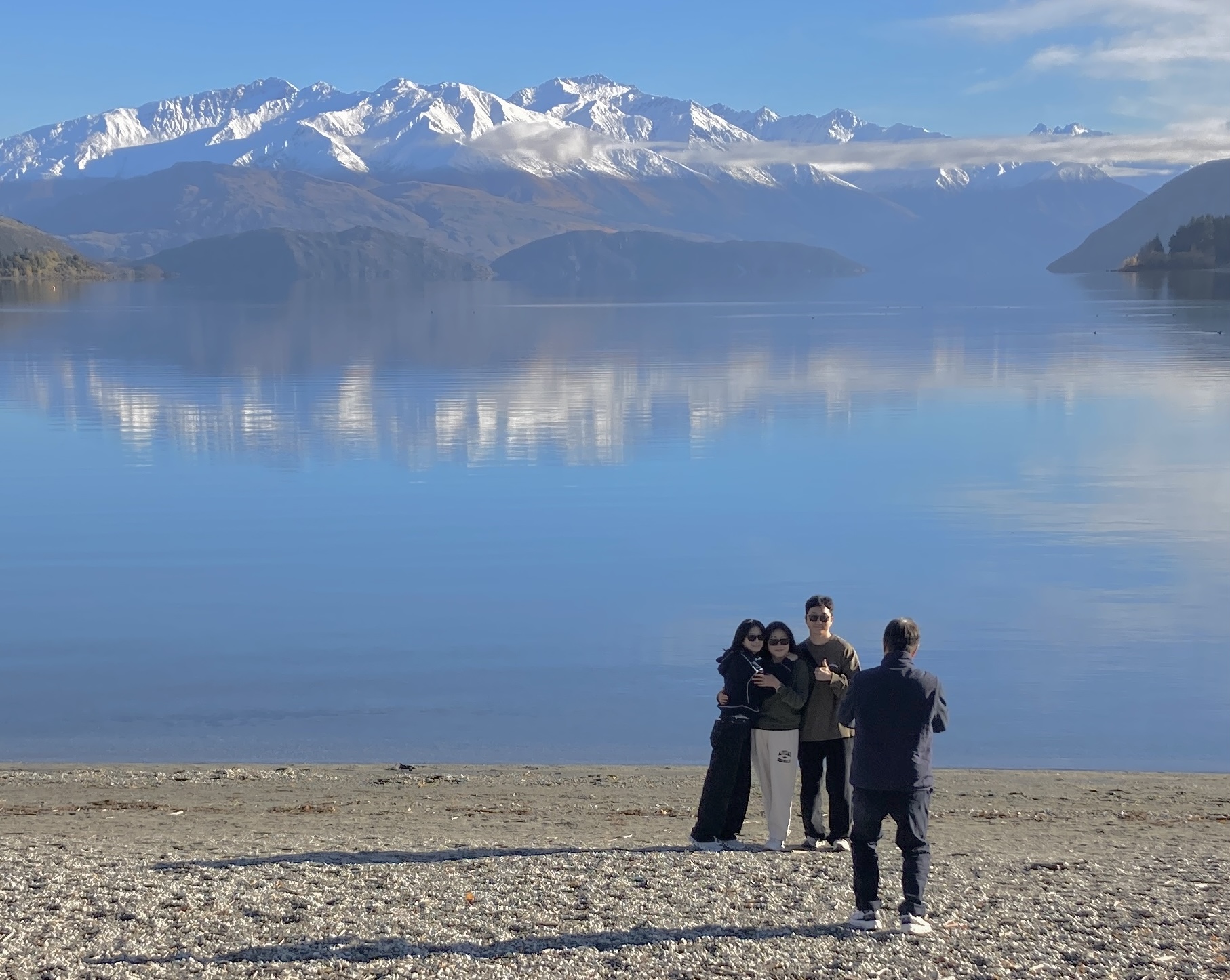
Ninety-seven percent of this district is within the Outstanding Natural Landscapes/Features zone or similar, and the impact on the reforms could be extreme, says the deputy mayor.
Quentin said QLDC was already “well advanced” in preparing for some of the new spatial planning and infrastructure rules and the likelihood of fewer consents.
“And there are some good and bad that could come from that,” he said.
“We will have to take some time to absorb the implications.”
Two bills will be introduced to Parliament this afternoon by the government, which aims to pass them into law in 2026: a Planning Bill and a Natural Environment Bill which would require regional councils to support development of both a regional spatial plan and a natural environment plan.
Combined territories boards would be the decision-making body for the new planning instruments. Each territorial authority will also develop a land-use plan, which will be brought together into a single regional plan.
Chris Bishop said the new planning system will be easier for local government to use and navigate and deliver better value for ratepayers.
He and local government minister Simon Watts said the new system will work alongside the proposed local government reforms “to reduce complexity, cut duplication and improve outcomes for communities”.
“The new planning system will mean fewer consents, faster decisions and a strong focus on the issues that genuinely matter for communities and the environment.”
The government has also announced a “rapid review” of regional council functions before the new boards are established to determine whether any functions should be centralised or discontinued.
Read more: Local mayors respond to reform proposals
Find more information on the new planning system here.
New Zealanders will be invited to have their say on the legislation via the Select Committee process. The consultation on the government’s local government reform proposals are open until February 20, 2026 via the Department for Internal Affairs website.
PHOTOS: Wānaka App
NEWS