

Local mayors respond to reform proposals

Sue Wards, Editor
03 December 2025, 4:04 PM
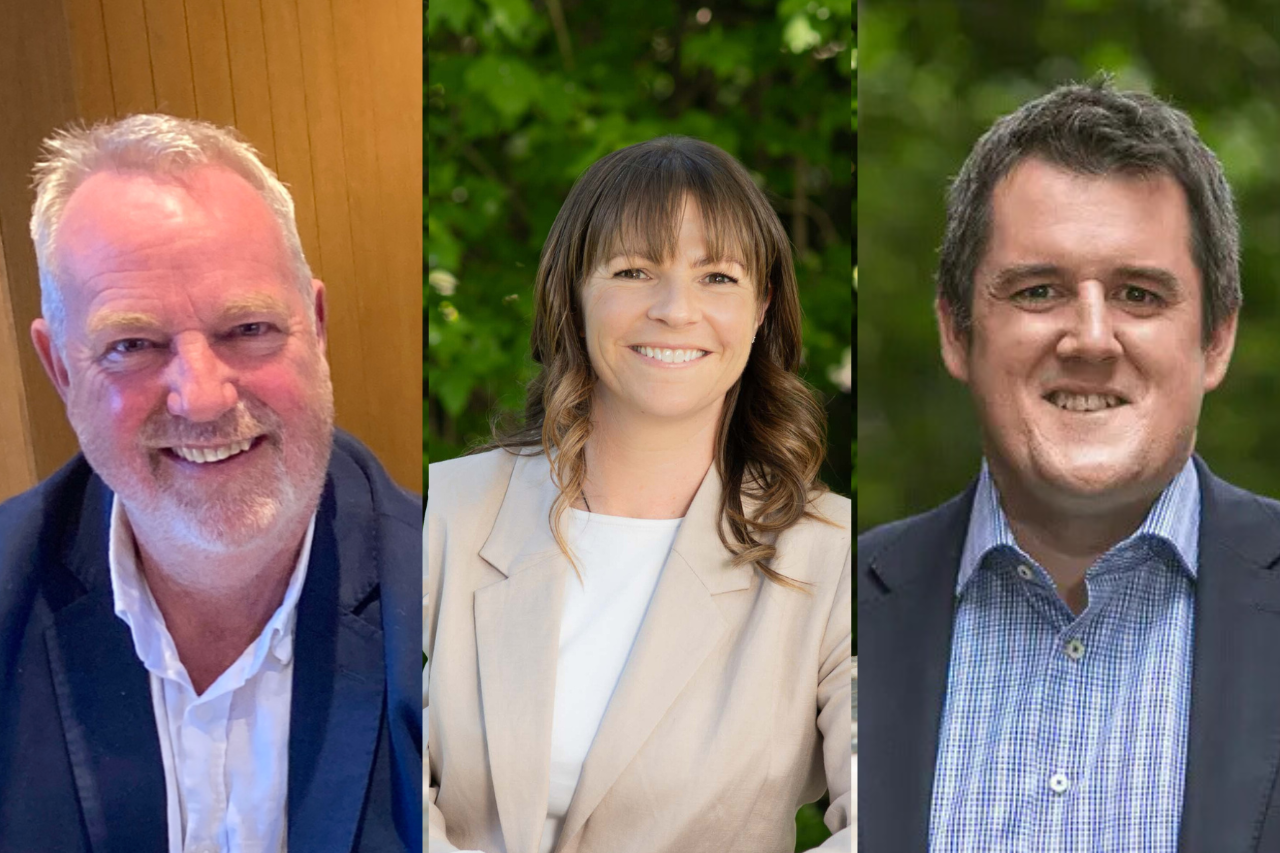 QLDC mayor John Glover, CODC mayor Tamah Alley, and Local government minister Chris Bishop.
The government’s proposal to abolish regional councillors and replace them with boards made up of mayors from the region’s district councils has been met with caution by two local mayors.
Local government and Resource Management Act reform minister Chris Bishop said the proposed reforms would deliver “the most significant changes to local government since 1989”.
He said the current system “is tangled in duplication, disagreements, and decisions that defy common sense”.
The proposals include abolishing regional councils, and replacing elected regional councillors with new combined territories boards (CTBs) made up of mayors from the region’s city and - in the case of Central Lakes - district councils.
The government also proposes locally-led regional reorganisations, whereby CTBs would lead plans for councils to work together across a region, for example via shared services, council-owned companies, reallocating functions, or merging territorial authorities to form new unitary councils.
Queenstown Lakes District Council (QLDC) mayor John Glover told the Wānaka App the proposals have “been portrayed as a removal of regional councils across the country in the name of reducing bureaucracy and costs but in reality [they are] also a drive to merge smaller district councils”.
“And while I understand the very pressing desire to make things simpler and cheaper and respect governments right to do that, I struggle with the language used around this announcement by some politicians that could potentially incite anger, distrust and malevolent actions towards those who work in public service roles in our districts.”
John acknowledged the work Otago Regional Council (ORC) has done to deliver public transport to the Whakatipu basin, “the difficult job of ensuring our water resources are used sustainably”, and the provision of science advice and action on a wide range of topics such as natural hazards and pest control.
“Some of their engagement work supporting community-led catchment management plans has been outstanding,” he said.
“If the government reforms come into effect, as an elected mayor, I see my role as ensuring these important workstreams do not simply disappear in the name of savings or simplification.
“They are key to our ability to grow, as far as possible, without that growth being at the expense of our environment.”
Central Otago District Council mayor Tamah Alley told the Central App this week the government’s proposals signal a pathway toward unitary councils, with Crown commissioners as the alternative to mayors governing locally.
“Personally, I’d rather see Otago people making Otago decisions — with public accountability and a real understanding of our unique landscapes and communities,” she said.
Tamah said “a big missing piece in the puzzle” is what the government’s RMA reform will look like.
“This will fundamentally shape how councils operate and how we deliver services,” she said.
Chris Bishop foreshadowed the RMA reforms last week by saying they “will strip out duplication in the system, standardise processes, and drive down complexity and compliance costs”.
“Under the new planning system there will be fewer plans, fewer consent categories, and fewer consents overall. Regional councils will have a significantly reduced role as part of this new planning system,” he said.
Consultation on the regional council proposals is open until Friday February 20, 2026 through the Department of Internal Affairs website.
A final proposal will be confirmed by March so legislation can be drafted.
PHOTOS: Wānaka App/Supplied