

Wānaka spring tests show stability in water quality

Tony O'Regan
07 January 2026, 4:06 PM
 The Wānaka spring has been tested again as part of long-term community monitoring.
The ‘Wānaka spring’, a popular spot on Lakeside Road where locals regularly fill bottles with fresh water, continues to show good water quality according to recent testing.
The spring was most recently sampled in August 2025 by Touchstone, a community action group concerned with the wellbeing of Lake Wānaka, marking the third round of testing since monitoring began in 2018.
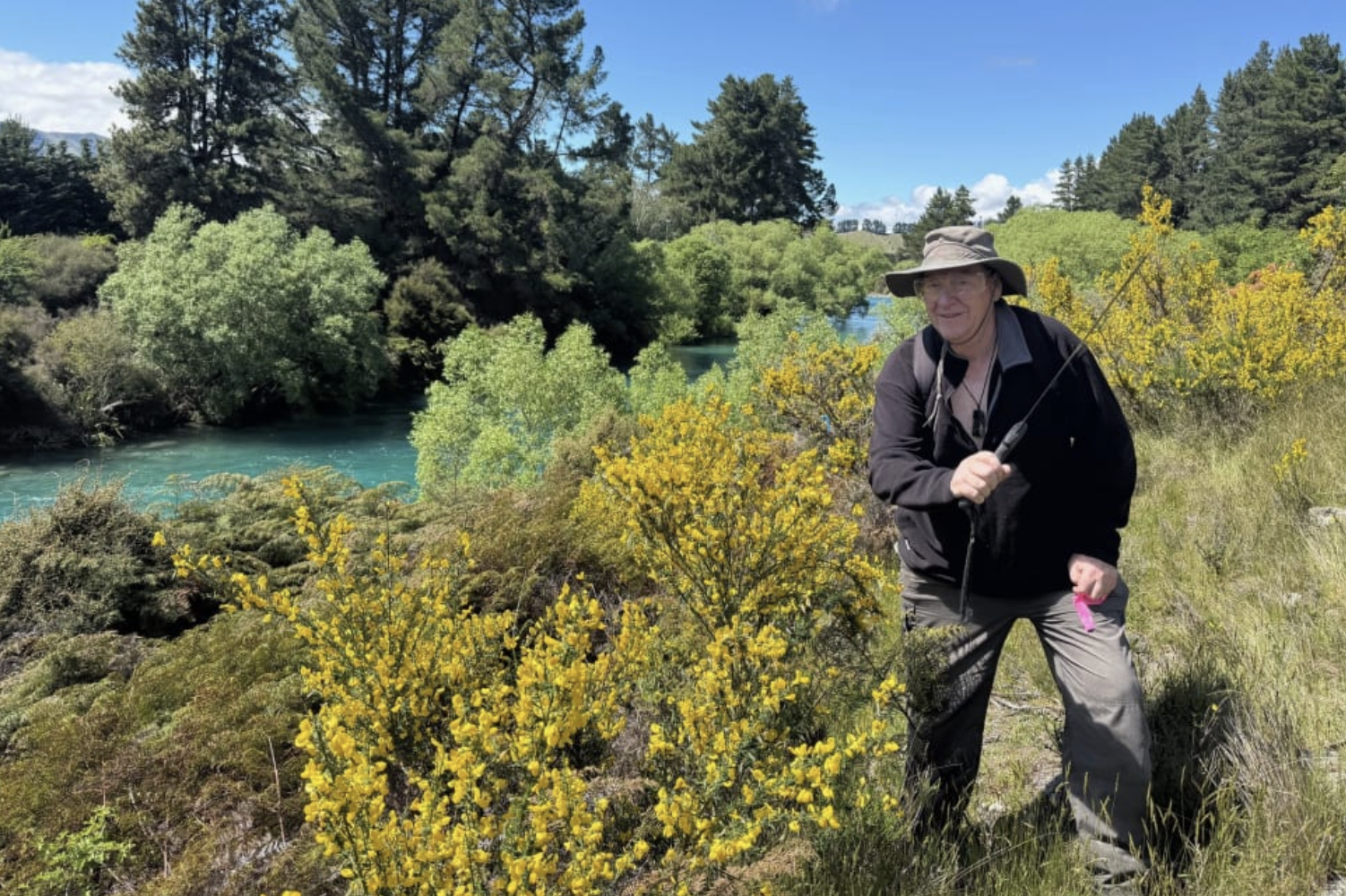
Touchstone representative Chris Arbuckle, who has more than 30 years’ professional experience in water quality science, environmental monitoring, and interpretation of freshwater data, said the latest results showed only very minor variation from previous samples.
“Nitrate concentrations show a slight increase; however, levels remain extremely low and well below relevant drinking water guideline values,” he said.
“Overall, the results indicate continued stability in the spring’s water quality.
“All measured parameters are well below applicable drinking water health standards, indicating very low concentrations across all elements tested.”
While the results continue to be positive, Chris stressed the spring is not a regulated community drinking water supply and is considered a raw water source.
“Touchstone does not guarantee the water is safe to drink,” he said. “Sampling is undertaken to provide transparency for the community and to build a long-term dataset that can identify any changes in water quality over time, particularly where no other agency was prepared to do routine monitoring of the spring.”

The location of the Wānaka spring on Lakeside Road.
Looking ahead, Chris said increasing urban development over the Cardrona aquifer, believed to feed the spring, represented the greatest long-term risk to the spring's water quality.
“As more undeveloped land becomes built over, less rain soaks naturally into the ground and more water is directed into stormwater soak pits,” he said.
“Over time, this can concentrate urban-sourced contaminants to enter groundwater, such as heavy metals from roofs and roads, and pesticides used in gardens and lawn care.”
The recent testing was funded by Touchstone using proceeds from the Ruby Island Swim donation fund, which is specifically allocated to support community-focused environmental monitoring.
Sampling was conducted using established potable water protocols designed to ensure representative and uncontaminated samples. Laboratory analysis was undertaken by Hills Laboratory, an IANZ-accredited facility.
Testing covered 23 parameters relevant to drinking water quality, including microbiological indicators such as E. coli, metals, nutrients, hardness and a range of physical and chemical characteristics.
Chris said that due to the urban development Touchstone is looking to expand future testing to include glyphosate, a commonly used herbicide not part of standard analysis.
Find out more about Touchstone and the Wānaka Spring here.
NEWS