

Urban intensification: What the new changes mean for Wānaka

Maddy Harker
11 February 2026, 4:06 PM
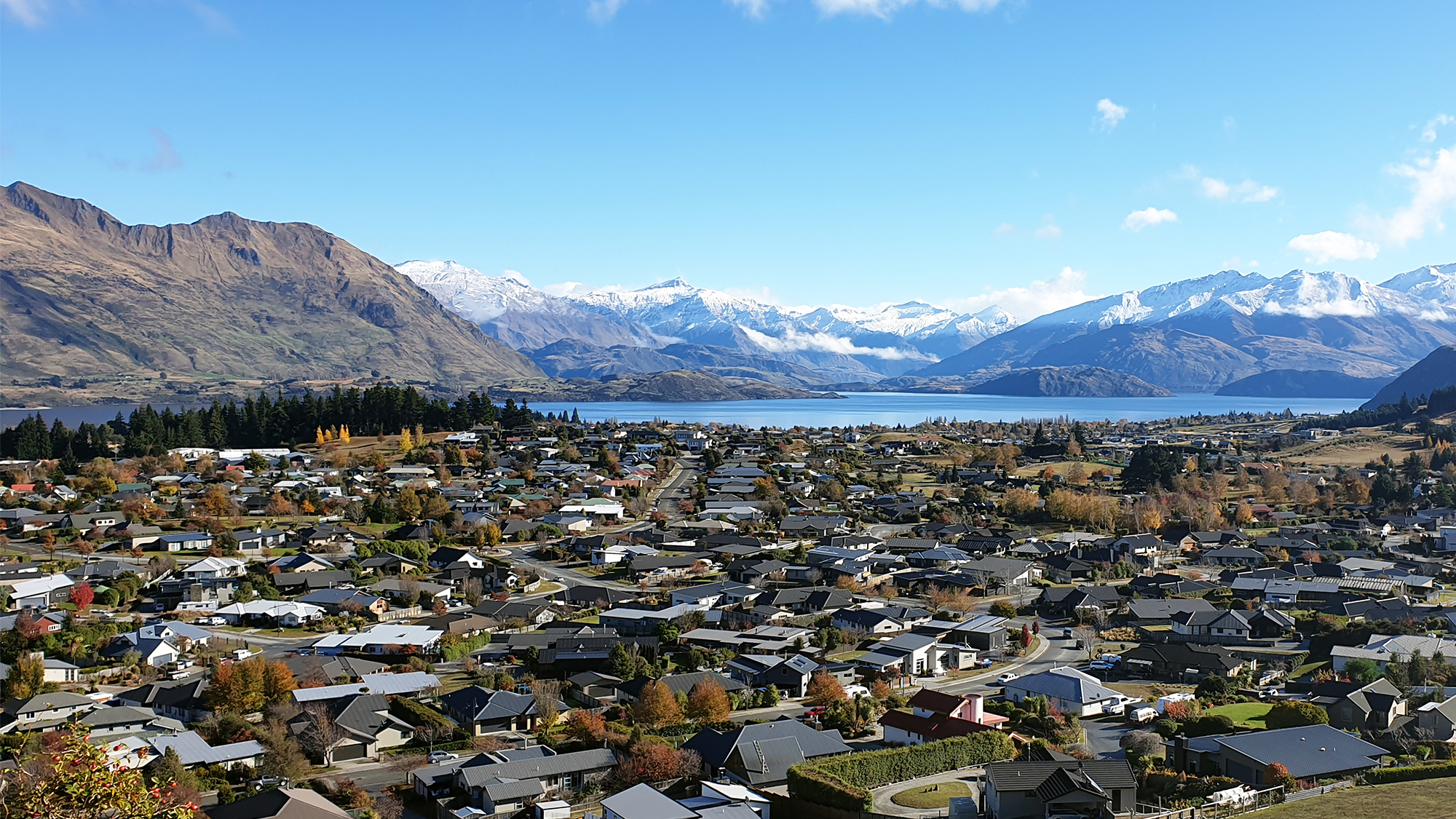 The newly approved UIV reshapes how and where the district can grow, with notable changes for Wānaka.
After more than two years of work, Queenstown Lakes District councillors last week adopted an independent panel’s recommendations that reshape how - and where - the district can grow.
The Urban Intensification Variation (UIV) changes zoning rules to allow more townhouses, apartments and infill housing, and greater density in commercial areas.
The process drew strong public interest, with more than 1,200 submissions. Some residents raised concerns about neighbourhood character, property values, infrastructure and shading, while others said more housing supply and choice is urgently needed.
Where has QLDC landed on the controversial topic?
What the changes mean for local neighbourhoods
The new Suburban Residential Zone - formerly Lower Density Suburban Residential - will allow for building heights of up to 8m, or about two storeys, and relaxes density rules.
The changes won’t enable high-rise apartments, but will make it easier to add a minor dwelling, subdivide or redevelop a site with duplexes, townhouses or infill housing.
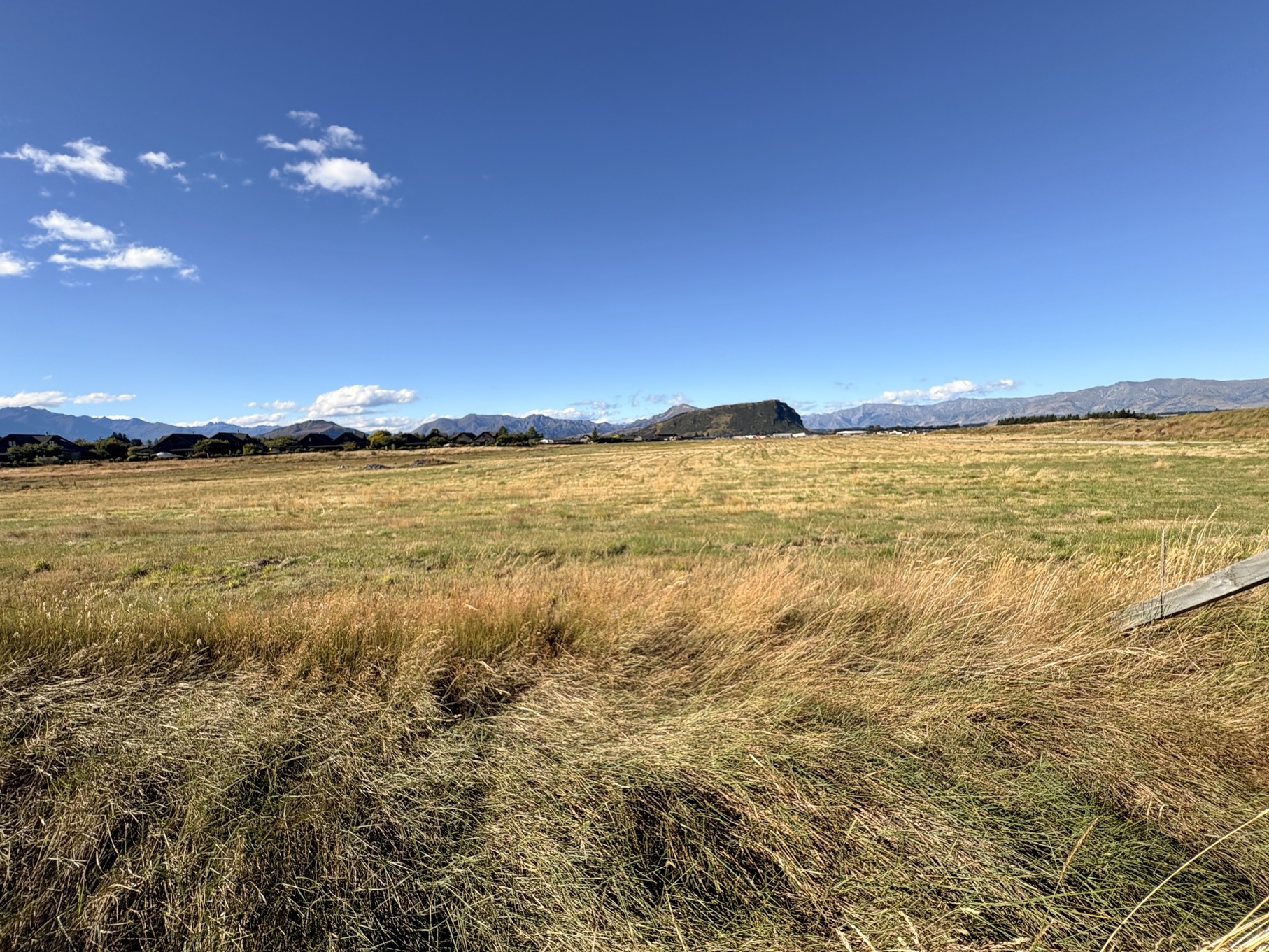
The new Medium Density Residential A Zone in Wānaka South.
The existing Medium Density Residential Zone largely stays the same.
However, a new Medium Density Residential A Zone will apply to a large greenfield area between Golf Course Road and Riverbank Road (Wānaka South), allowing buildings up to 11m high - generally three storeys - and greater density, with smaller sections and outdoor living space requirements.
More significant change is planned for Three Parks and nearby, where much of the area has been upzoned to the new High Density Residential A Zone. There, buildings of up to 16.5m are permitted, with anything taller than 24m considered discretionary.
Deputy mayor Quentin Smith said the independent hearing panel had “gone a long way to reducing some of the flash points” in the proposed UIV during consultation.
Rather than broadly increasing height and density across established neighbourhoods, the panel concentrated most added capacity in specific locations.
“I think the reduction of heights in most of the residential zones … have gone a way to taking the fire out of this,” Quentin said.
Councillor Cody Tucker said the different housing types enabled by the changes will provide flexibility and a better mix of housing stock.
“We live in the district that has the least affordable housing in the country, in the country with the least affordable housing ratio in the OECD,” he said.
“Part of the answer is more variety. This will provide more choice and options.”
Big changes for Wānaka CBD
The decision over how to manage zoning in the Wānaka Town Centre is less likely to be well received, as councillor Nicola King pointed out.
“Some of the community members won’t be happy with QLDC….especially with Wānaka town height levels changing,” she said.
In the Wānaka Town Centre, permitted building heights will more than double from eight metres to 16.5 metres. The UIV also includes provision for buildings between 16.5m and 20m, plus buildings above 20m tall, which would be considered as discretionary activities.
This was a major point of contention for submitters and received significant pushback during consultation.
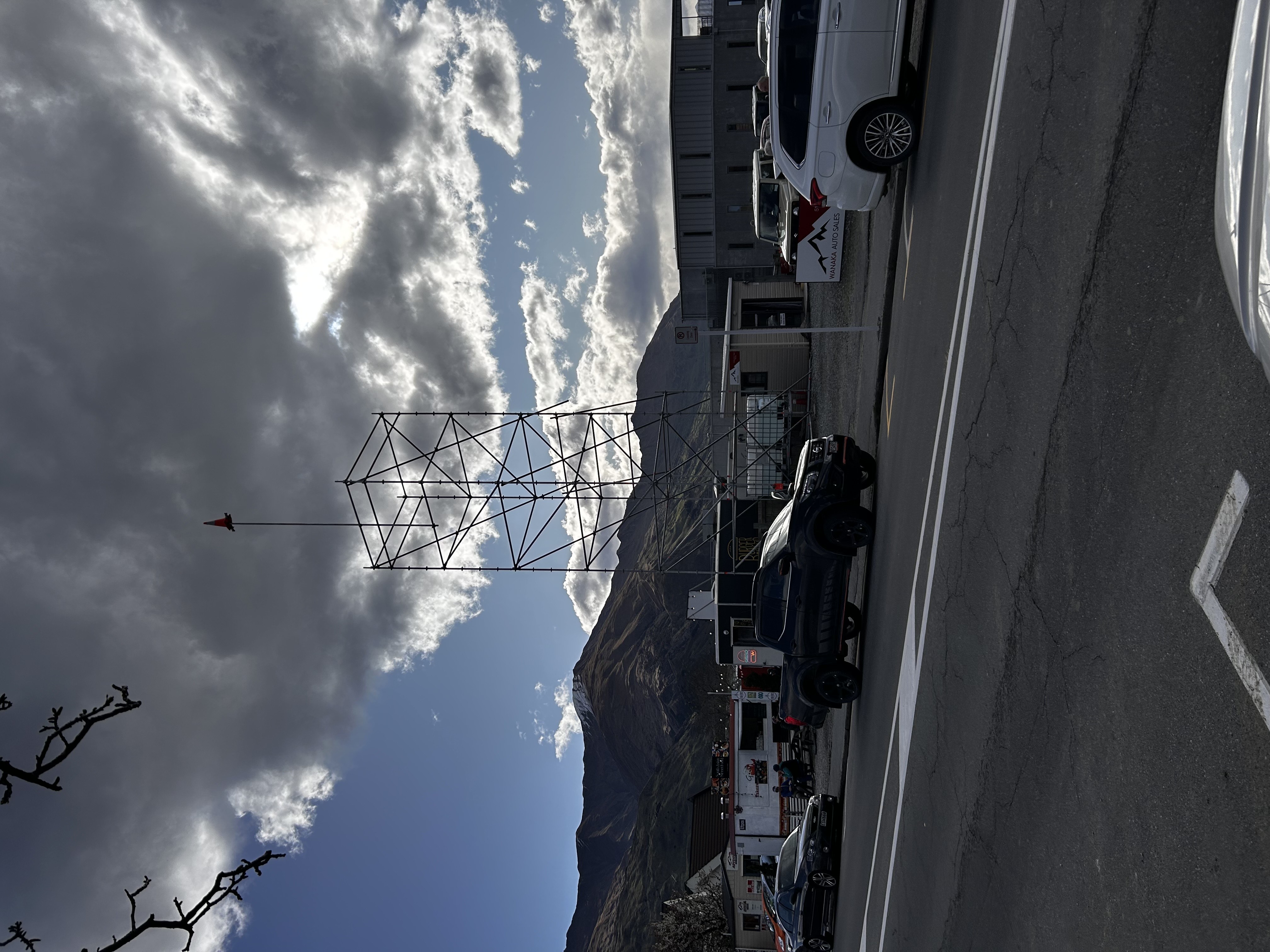
This 16.5 metre scaffolding was erected on Brownston Street to demonstrate the potential impact of proposed UIV height changes for the Wānaka Town Centre. Those changes have been approved and there is some provision to build even taller.
At Hāwea’s Local Shopping Centre Zones, on the other hand, much smaller height increases have been green lit - increasing from seven metres to ten metres.
Similar patterns feature in the UIV for other parts of the district - more intensification in central commercial zones and upcoming development areas but less change in established residential areas.
How did the UIV come about?
The UIV stems from central government’s National Policy Statement on Urban Development, which requires councils to enable more housing capacity and remove planning barriers to growth.
The policy directs councils to allow denser development near jobs, shops and services, and to plan for towns and cities to grow both ‘up and out’. Queenstown Lakes is classified as a tier 2 urban environment, meaning it must implement the changes.
Work on the variation began in 2023, including submissions, hearings and deliberations before an independent panel of commissioners (David Allen, Ian Munro, and Lyal Cocks) issued its recommendations.
Under the Resource Management Act process, councillors could accept or reject those recommendations but could not rewrite them.
“This is national policy,” councillor Matt Wong said. “We don’t drive intensification anymore.”
Nicola said voting on the plan felt like “taking a vote not really making a vote… [but] that’s the law”.
Councillors express cautious support - and concerns
While councillors approved the UIV last Thursday (February 5), some said they would have liked to influence the outcome more, and questioned the long-term impacts, particularly on infrastructure.
“There are parts of this I'm still uncomfortable with,” Quentin said.
“It’s being highlighted that it’s a tricky position for us as councillors that we don’t get to choose the provisions.
He said the council was making a decision with many unknowns, including “unknown implications around infrastructure”.
“That is a problem and that’s something we’ll have to grapple with moving forward.”
Cody took a different view on infrastructure, saying: “The more density we have, the less infrastructure we need to provide.”
He noted that the UIV was “a really contentious issue” and the commissioners had managed to “weave a thin line of everybody being happy enough”.
Councillor Gavin Barlett also acknowledged that the UIV required difficult compromises - an imperfect outcome.
The UIV is “as good as it’s going to get.”
Quentin said he took “some comfort that this isn’t going to result in massive change overnight”.
What’s next?
Council staff will update the Proposed District Plan provisions and the decision will be publicly notified. Submitters will have 30 working days from notification to appeal the decision to the Environment Court.
Once these steps are complete, the new height and density rules will be operative across the district, QLDC said.
PHOTOS: Wānaka App