

‘Team effort’ to install 18km trapline

Sue Wards, Editor
11 February 2026, 4:00 PM
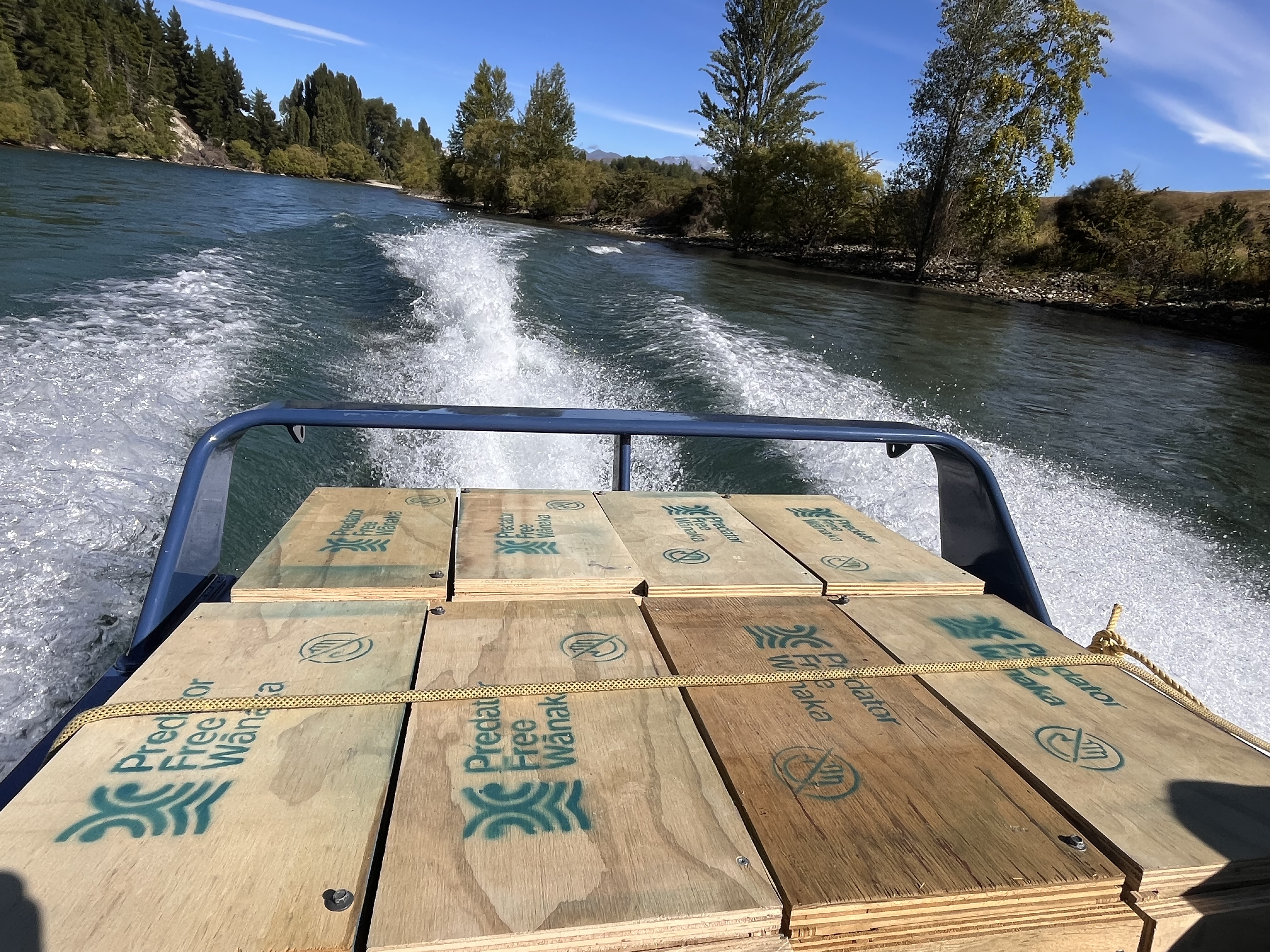 Predator traps on their way to the new trapline.
The installation of a new 18-kilometre trapline for controlling predators and helping restore native wildlife took “a real team effort”.
“We had to get the traps into place using a jet boat, then a quad bike and then with a team of volunteers using mountain bikes,” Predator Free Wānaka spokesperson Guy Kennedy told the Wānaka App.
The new Newcastle 18 km trapline - which extends from Albert Town to Luggate - is one of the group’s longest.
Making the trapline also involved the support of many, including “a whole team” at the Wanaka Community Workshop who made traps.
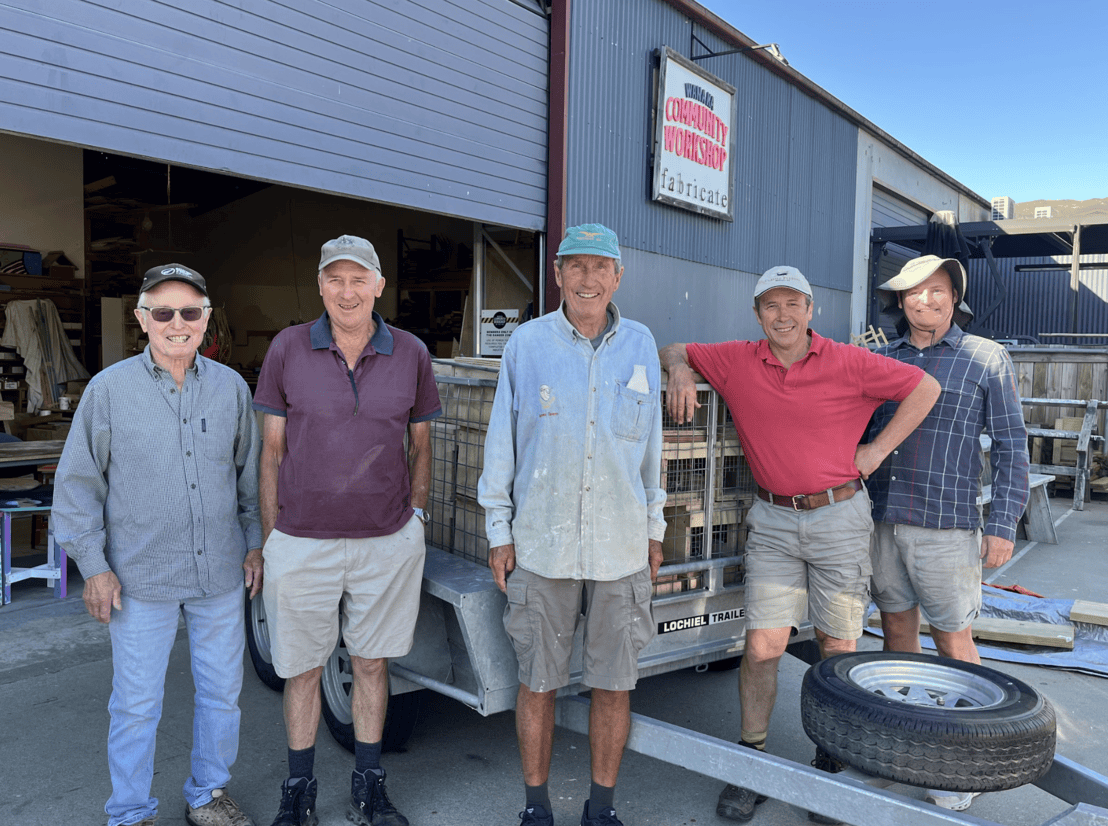
A team at Wānaka Community Workshop made traps.
Three people worked on predator monitoring prior to putting the trapline in, Guy said.
“This revealed all of the usual suspects; mice, rats, stoats, ferrets, hedgehogs, possums, and cats (which we don't currently target),” he said.
Another three or four people put traps into the right location and eight baited and set them. Ten people are rostered to check and re-bait the traps on the line.
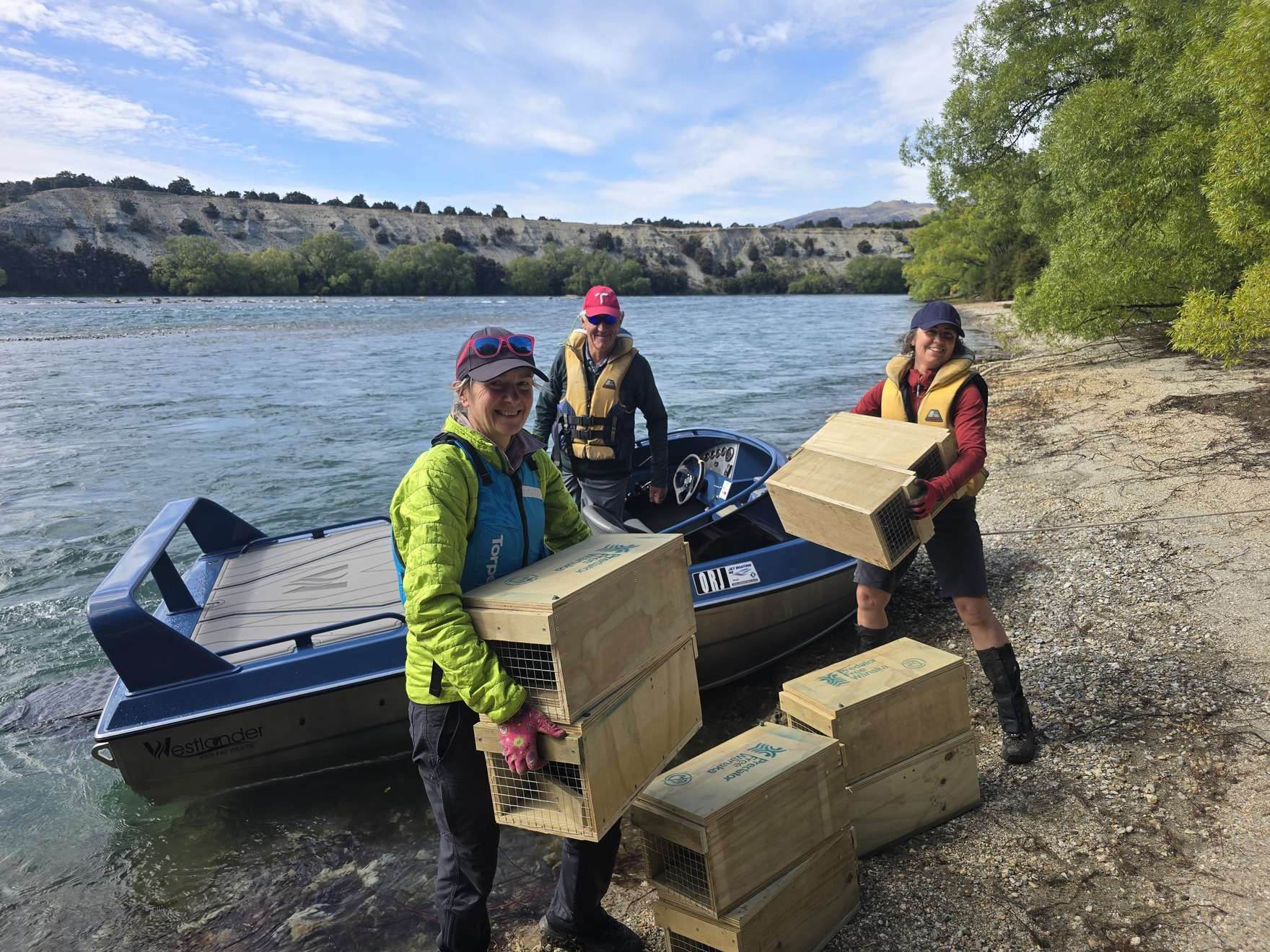
Volunteers, including a jet boat driver, worked together on the 18km line.
Signs of recovery from the group’s various traplines include increased sightings of native birds like the tūī, korimako (bellbird), and kererū, as well as improved nesting success rates in monitored areas.
Guy said the group was “over the moon” to receive funding for the latest trapline from both local Rotary Clubs: Aspiring Rotary Club and the Rotary Club of Wānaka.
“We're always looking for people to join as volunteers and, of course, for people to donate which they can do online on our website,” he said.
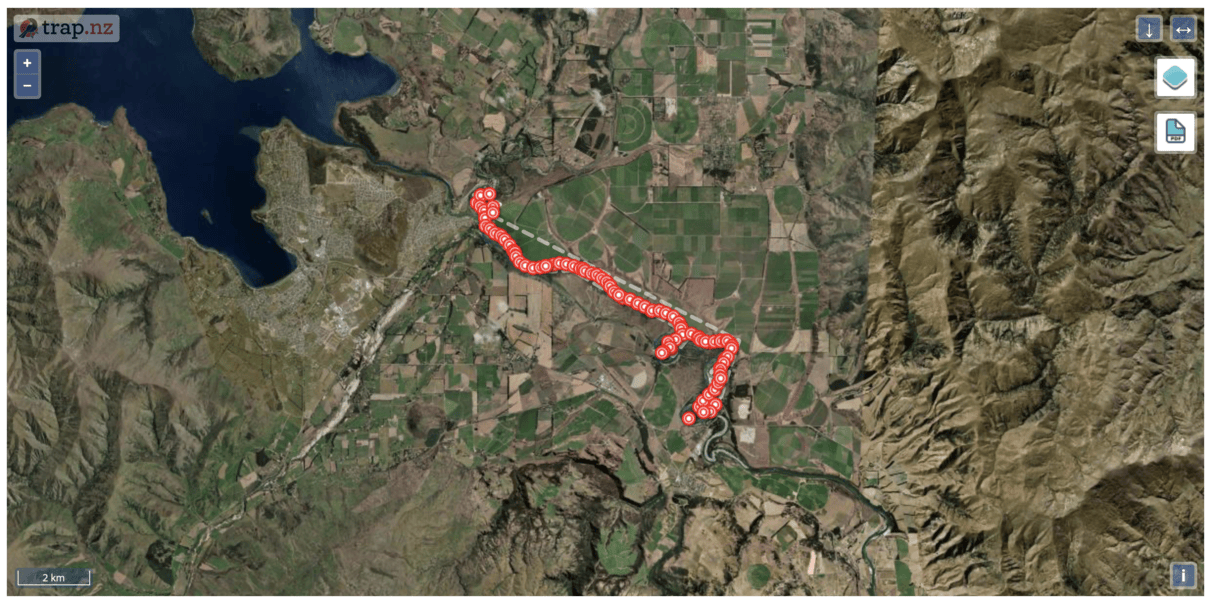
The Newcastle trapline.
“This allows us to grow the trap network more quickly which will lead to more native wildlife in our area.”
PHOTOS: Supplied