

Lake Wānaka guardian calls for more funding

Sue Wards
25 January 2026, 4:00 PM
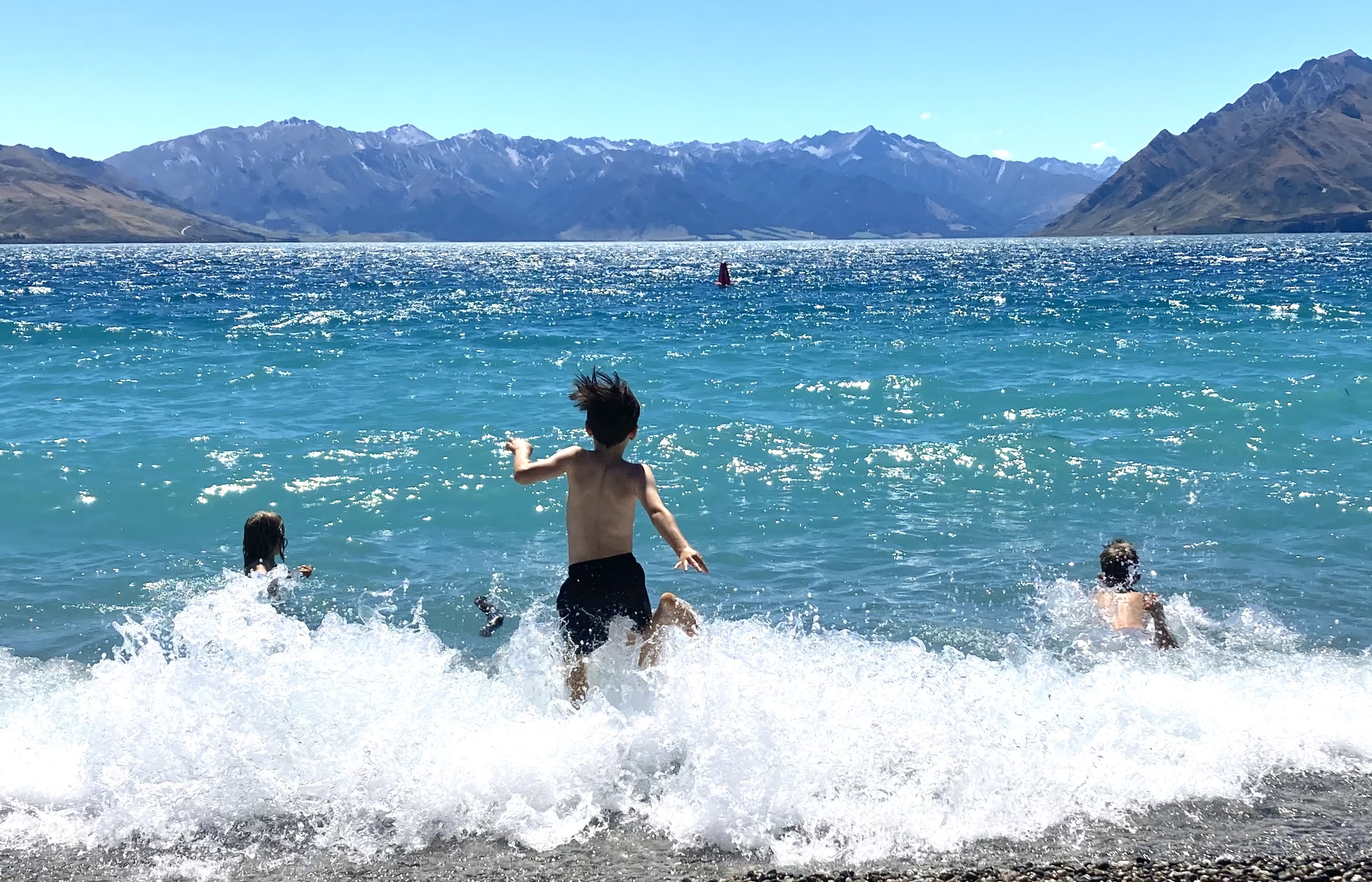 More funding is required to keep lakes like Hāwea in pristine condition, says a local scientist. PHOTO: Wānaka App
After almost a decade as a Guardian of Lake Wānaka, a local scientist is calling for a significant increase in funding to reflect the importance of the three deep lakes in this region: Wānaka, Hāwea, and Wakatipu.
“We need a substantial increase in the scale of support for these lakes,” Dr Don Robertson told the Wānaka App this month.
“I would like to see a recognition of the incredible value of these lakes to the whole Wakatipu Upper Clutha basin recognised with the scale of funding [needed] to carry out evidence based management.
“If we are serious about keeping these three lakes in anything like pristine condition there must be funding that reflects the true cost of protecting these lakes.”
Don said while Lake Taupo and Rotorua lakes have received “$300M and counting”, all the three Southern deep lakes have received is “a little bit of funding coming through [Land Information New Zealand] for lagarosiphon (lake weed) management” - up to about $800,000 a year, and around $50,000 for some years from a “good Samaritan citizen”.
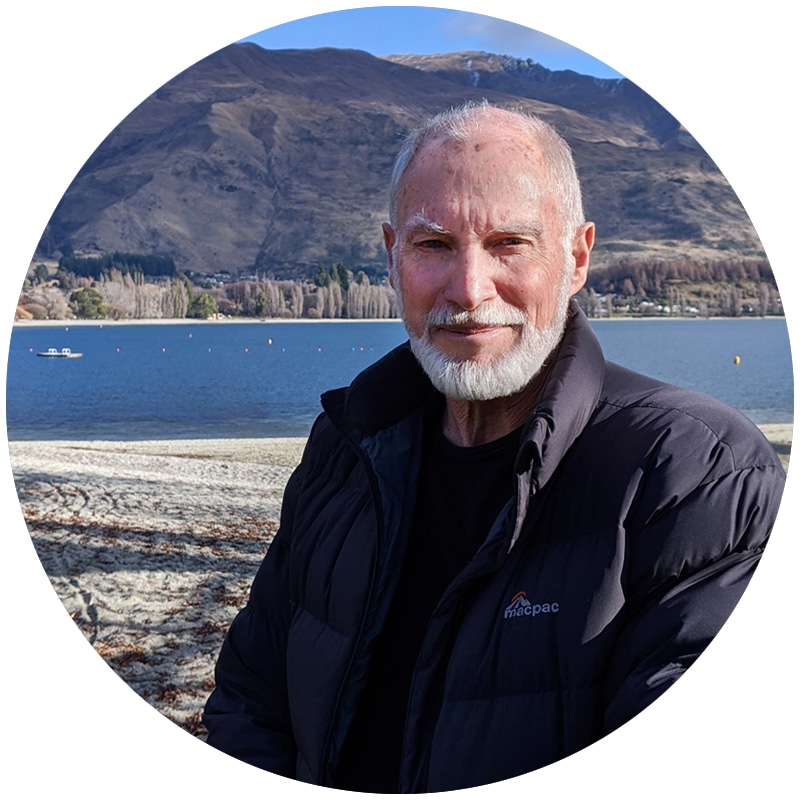
Dr Don Robertson PHOTO: Supplied
The history of the Guardians extends back to 1973 when the government passed the Lake Wānaka Preservation Act in recognition of public concerns about the potential of hydro-electric development to alter the natural level and outflow of Lake Wānaka.
The Act makes provision for the protection of the natural state of the lake, and for the Guardians to advise the Minister of Conservation over preventing the lake from being impounded, controlled or obstructed; preventing the natural rate of flow from the lake from being varied or controlled; preserving the lake level and shoreline in their natural states; and maintaining and improving (where possible) the quality of water in the lake.
“The Act has really only one tooth in it - and that’s the word ‘quality’,” Don said.
Lake quality has been trending down since at least 2016, he said.
“The lakes are still in really good condition but are declining in quality at a rate that is concerning.”
One of the indicators is the measurement that freshwater scientist Dr Marc Schallenberg has made on chlorophyll A in all three deep lakes.
The increase in Chlorophyll A is “the thin edge of the wedge in declining quality”, Don said.
The green pigment in plants and algae (used for photosynthesis) is influenced by nutrients coming from runoff, which Don said “will include everything from communities like Wānaka and Hāwea, and will be contributing to the changes in aquatic biomass, and changes in biodiversity”.
“You can’t overlook the extent of the changes in the catchments - it’s not just urban growth, which is going crazy.”
Don said while he doesn’t have “hard data”, the numbers of agricultural stock units have increased in all three catchments.
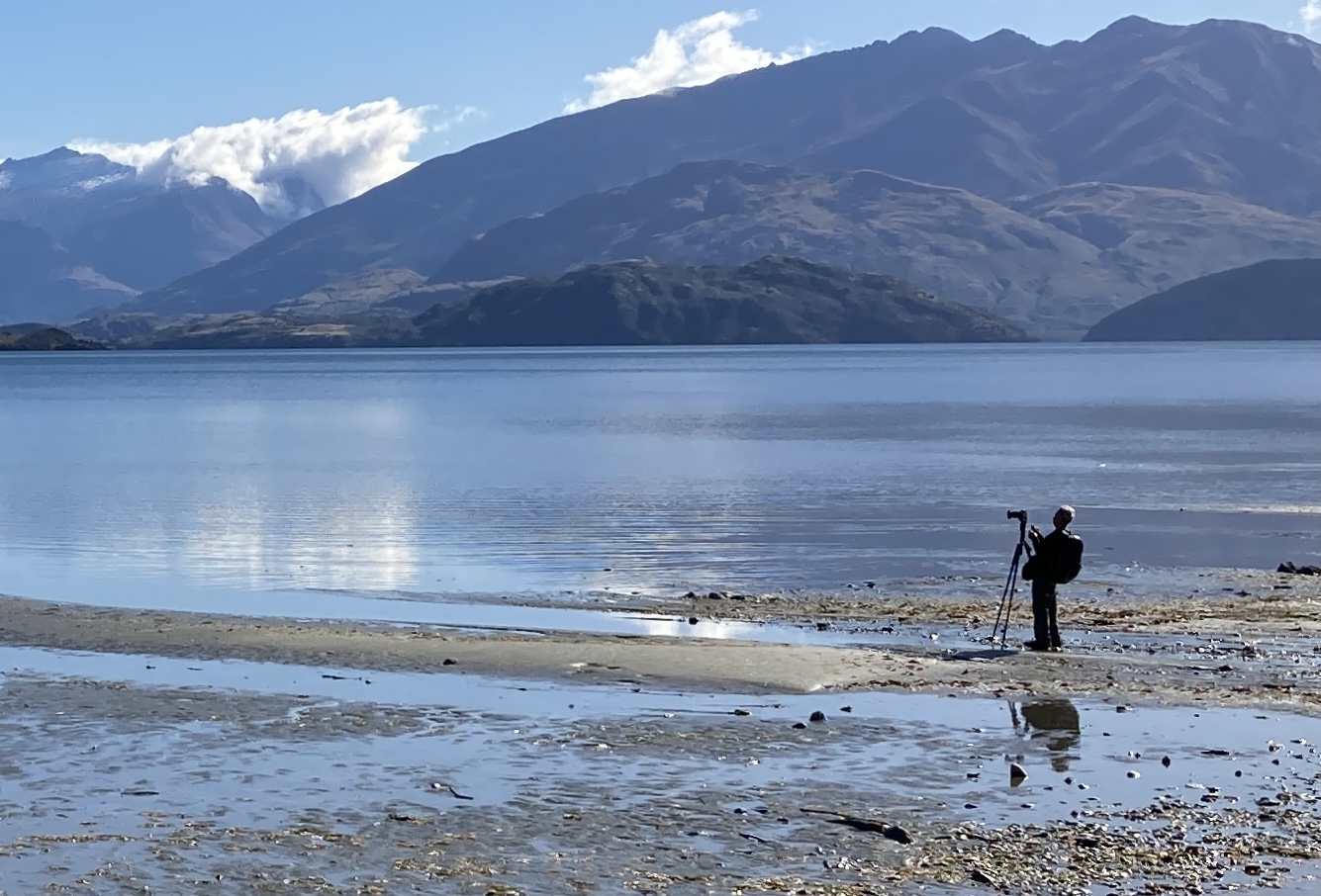
Lake Wānaka and the other deep lakes are the reason people come to live, recreate or tour through this region, Don says. PHOTO: Wānaka App
There are “tens of thousands of farmed and feral mammals occupying the catchment”, as well as Canadian geese and other birds. Waste from all introduced mammals are contributing to algal growth, he said.
The increase in Chlorophyll A was also influenced by the arrival of ‘lake snow’, or Lindavia, around 2004.
“It’s been very concerning to see the scale and expansion of lake snow in all three lakes,” Don said.
The “limited ability” of the Guardians and others to protect lake health led to the creation of the Lake Wānaka Trust, which merged shortly after with the Upper Clutha Water Group to become the Upper Clutha Lakes Trust.
“The marketers got involved and we became WAI Wānaka - a very good advocacy group,” Don said.
WAI Wānaka advocacy contributed to the formation of the Otago Regional Council Deep Lakes Technical Advisory Group and a Deep Lakes Management Group, of which Don is a member.
“There has definitely been movement in the right direction but there’s still no suitable fund for addressing the decay of all three deep lakes,” he said.
The three lakes are the reason people come to live, recreate or tour through this region, yet the lakes have been treated with “contempt or neglect”, he said, meaning the “the absence of evidence-based research to make sure that everything that goes on in the catchment supports the health of the lake”.
Read more: ‘Collaboration essential’ for future of alpine lakes
While Don plans to step back from the Guardians later this year he intends to stay on the Deep Lakes Management Group and “continue where appropriate” with protecting the health of our deep lakes.
Don’s fellow Guardians are Julie Perry, Nancy Latham, and Jeff Donaldson.