The Wānaka App
The Wānaka App
It's Your Place
A&P ShowWaoJobsGames Puzzles
The Wānaka App

News


New cycle trail builds hit a brick wall - but riders optimistic that will change in 2026

06 January 2026, 6:40 PM

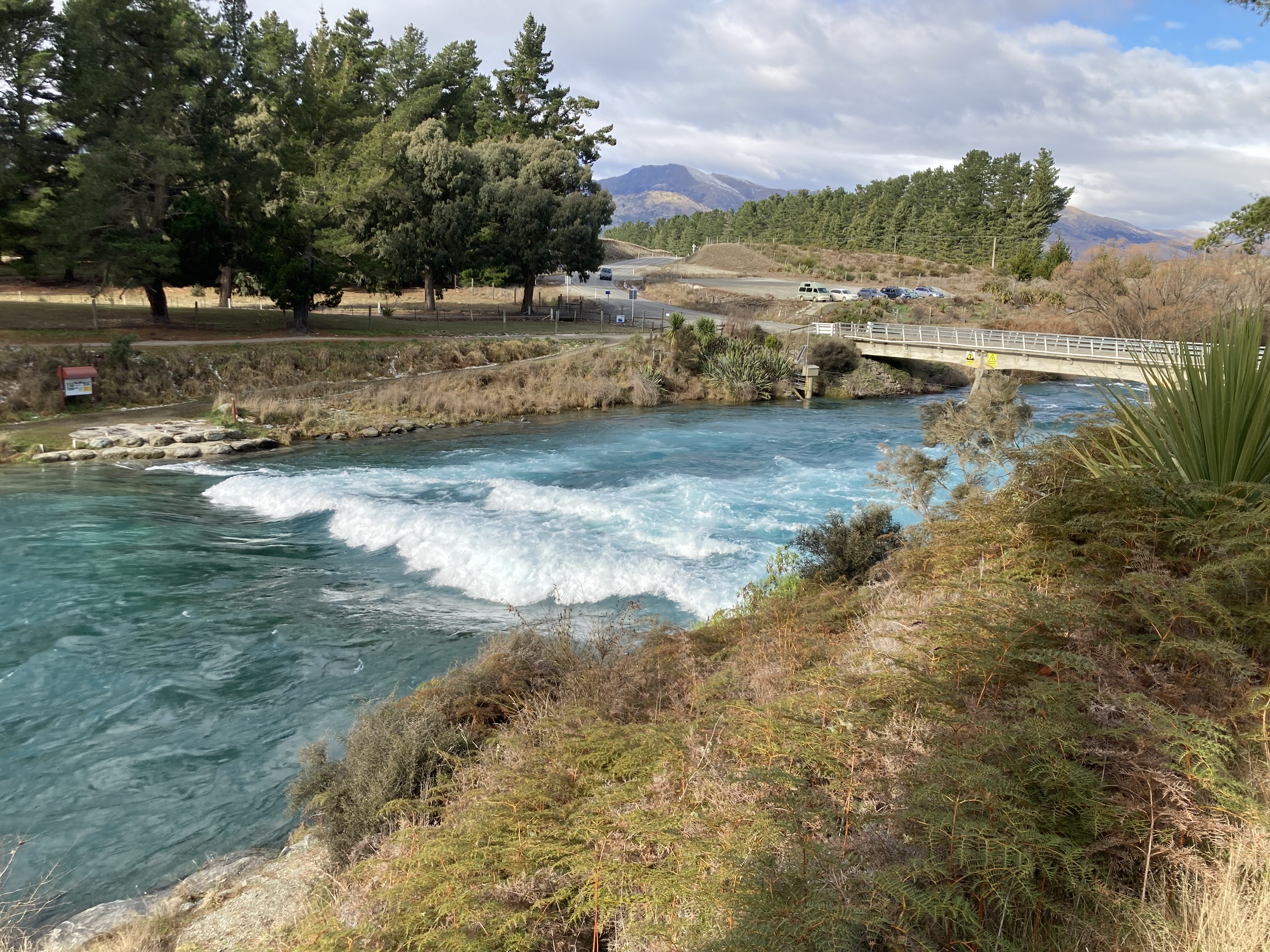
On a mild evening in November, Dave Howard and John Wellington were out with their machetes and some pink ribbon bush-bashing a route for a new bike trail beside the Hāwea River in Upper Clutha.They tied ribbon on scrappy broom bushes and laid low the pigfern as they went."That's kind of a fun part of it, just cutting a track, going, 'What are the cool things that we can see along here?', whether it's little plants or view-corridors," Howard said."So you might take them past cool rocks or trees or just, how the landform will feel when you move through it, thinking about what's the experience someone's going to have when they travel through here."So that's quite a fun stage despite the matagouri and the bush lawyer (two types of plants) and everything else that wants to kill you and prick you."Up until recently he had thornier problems to deal with. He had helped design the Kawarau Gorge trail from Queenstown to Cromwell, and the Roxburgh Gorge extension. By 2018 they were ready to go.Instead, they went nowhere, running smack-dab into a long-forgotten policy suddenly reactivated at the Department of Conservation (DOC)."Until recently, the current Conservation General Policy was applied quite rigidly in Conservation Management Strategies (CMS)," DOC told RNZ. "This meant that unless the CMS listed a proposed location for biking, a (costly, multi-year) partial review or amendment process for the CMS was required, simply to consider the application on its merits."While the policy had slumbered, trail building had cracked on, the network and patronage expanding rapidly in the decade after John Key's government latched on to cycling in 2009 as a way to create jobs.Dave Howard. PHOTO: Supplied'Silly little thing written on a bit of paper'In 2019, DOC shifted suddenly and question marks appeared over existing trails' compliance, while new builds hit a brick wall. Many regions had few potential trails listed on the schedules in their various CMSs. They were going nowhere."It was horrendous," Howard said. "It was all consuming, all consuming. DOC was supportive of so many of the trails, but they just had to pull the handbrake on them because of this silly little thing written on a bit of paper."Pete Masters at Bike Taupō hit the wall too. So he joined with others to use a trail in Tongariro as a test case to help break the rigid grip.It worked - 11 out of the 16 DOC regions began easing up on trail building in the last year or so - but it took time and money."So we won that," Masters said. "Interesting thing is after the six years, they turned around and agreed on what we said on day one."Instead of having to be rigid, to have it on a schedule, it could be on 'effects-based', which is what we'd been arguing all the time."For trail builders in Te Anau and Gore the battle was far from won, but their experience was now more an exception than the norm. Rowan Sapsford at Bike Taupō sawthe flipside: He helped Masters with the test case, and now things were at "half full", he said."All our trails in Taupō are OK... we were able to secure access... we can carry on," Sapsford said.The application process had sped up."The last one I was involved in professionally, it went through an under 12 months, which was a bit of a record really."It can also be the difference between whether we're able to secure funding or not, and often, you know, the permissions process is seen as one of the key risks... for new trail development."Officials now saw biking in the bush as legitimate, not just tramping, he said.Recently he went to the annual national trails forum."It was probably the best representation from DOC in the odd 13 or 14 years I've been going to these forums."John Wellington. PHOTO: SuppliedIn a report in July, the Department of Conservation said its backlog of concession applications for cycling had been cut from 1300 to 550, and processing times were three times faster.It was now able to tap into co-funding too for new trails from the Ministry of Business, Innovation and Employment, that also had $8m a year to maintain the 23 Great Rides.'We're through the dark days'Otago was unusual among the 11 newly flexible regions, alone in undertaking a $500,000 review of its conservation strategy that ran for several years. This ended up last year in it designating a lot more potential trails, though only after volunteers spent thousands of hours mapping them out.Now those lines were down on paper, that allowed Howard and Wellington to bash them out for real along a simple 5km trail south beside the Hāwea."We're through the dark days," Howard said."All those particular trails, they were part of connecting Wānaka, Queenstown through Dunedin, so they're all back on track and underway, which is fantastic. So there's been a massive swing, you know."The much-anticipated Kawarau Gorge ride would be steeper and more exciting than other Great Rides thereabouts, he said. E-bikers would love it, he predicted.The bill would be steeper, too: They had had to go back to where they got to in 2018 and "do a bunch of stuff again" which probably added several million dollars in costs.There was an up-side to this - Kawarau had become a bit of a test case for new thresholds around wildlife permits, lizard studies and relocations, and the like, Howard said.Yet the inflexible grip of the Conservation General Policy still held in five of the 16 regions."We can't consider new proposals for bike tracks for Waikato, Canterbury (Waitaha), Stewart Island/Rakiura, Otago and Southland," the July DOC report said."We appreciate this is frustrating," DOC told RNZ, "but it underpins the importance of progressing modernising and updating the legislation."Those changes would not deal just with CMSs - likely dumping them - but also with constraints other trail builders still face when they veer into national parks.The Mountains to Sea trail had the funding to build Te Hangāruru and Te Ara Mangawhero sections of Ngā Ara Tūhono Great Ride, but needed to go through 200m of Tongariro National Park."That held us up for a number of years," central North Island trails promoter Lynley Twyman said."It meant that the value of the funding we secured diminished in its value. So that's been really, really tough... in a region where cycling and walking are the resilience for our tourism industry."Pete Masters, acting chair of Ngā Haerenga NZ Cycle Trails. PHOTO: Supplied'Totally broken'Prime Minister Christopher Luxon seized on barriers to biking when in August he called the concessions regime on public conservation land "totally broken"."Outdated rules mean we've got examples of modern e-bike users being turned away from potential touring opportunities because they have to be considered as proper vehicles," Luxon and Conservation Minister Tama Potaka said in a statement.One high-profile example is a ban on e-bikes on the Timber Trail near Taumarunui, though that is widely ignored and not impinging on business, operators said.The ministers' statement collided with DOC saying processing times had sped up by three times.And the press statement's title, 'Unleashing growth on conservation land', appears to invite a fight over the government's plans to reform the Conservation Act next year.DOC said this was about striking a balance."These improvements are aimed at making the system more enabling and easier to navigate, while ensuring any development does not compromise conservation values."Guided biking and e-biking might be allowed as part of low-impact activities exempt from needing a concession or pre-approved with a simple online application process, it said.The likes of the Timber Trail's e-bike ban looked likely to fall under the definition of "unnecessary and outdated restrictions" set for removal, plus the way trail plans could be amended would be streamlined under the reforms.A bill is due from ministers in the first quarter of next year. A new National Conservation Policy Statement might end up doing a lot of the heavy lifting.'Correct tracks in the correct places'Cycle trail builders and operators would not want any part in a fight over the reforms. The way they tell it, the argument over the economic benefits of trails to the regions has been well won, DOC is far more on board than it was, and the ongoing disquiet over environmental impacts is turning in favour of them being no greater than from tramping and needing to be assessed the same way."Really, the debate of a [new] trail or an existing trail being used by bikers and walkers should be on social interaction," Masters, who is also acting chair of New Zealand Cycle Trail Ngā Haerenga, said.Federated Mountain Clubs was watching the changes being made."Hopefully the new [flexible] rule interpretation allows the environment to continue to be cared for and make sure that the tracks are the correct tracks in the correct places," president Megan Dimozantos said.The Clubs group had not been consulted on by DOC about new trails being put in, but perhaps they had not needed to be."They don't consult us on every single concession. I would hope that if the particular track that was being built was going to affect other user groups, that they would come and ask us for our opinion. And I'd generally trust them to do that.""We are super supportive of people to get out and enjoy the ngahere, but our view has always been the right trail in the right place."'We're in a lot better space'The incredibly messy rules around trail building based in regulations and legislation not changed in decades have not done anyone any favours, yet even so the Great Rides alone had grown into a $1.3 billion industry that mostly benefitted the provinces.The system has reached a new, still messy halfway house where some regions remain largely locked up, while in others new trails are being assessed on a "case-by-case basis by district teams with strong local knowledge" about local needs, conservation considerations, and whether community or third-party partners bring forward proposals, according to DOC.It is not any sort of stable equilibrium though, and next year promises more, bigger changes."We're very pleased with what we've managed to achieve in the last few months, but we've still got some gaps and we need a sustainable, resilient solution," Twyman said."We're in a lot better space, they're [DOC] in a good space, and we want to work together to have good outcomes for all the cycling and walking community, because there's as many walkers on the cycle trails as there are cyclists," Masters said.Howard was just "super-stoked" to be route-blazing again."Someone was saying passion is the degree of suffering you're willing to endure towards a cause. So, if the amount of suffering and persistence required to pull a trail off, then I'm certainly passionate."

150+ works for Aspiring Art Prize

06 January 2026, 4:06 PM

Art lovers are in for a treat this weekend as the Craigs Investment Partners Aspiring Art Prize returns, bringing hundreds of never-before-seen works from across New Zealand to Wānaka. The 19th annual event - a Holy Family Catholic School’s fundraiser - will showcase 151 pieces from 147 artists, with something for everyone. Aspiring Art Prize event manager Kelcey Radford said visitors to the exhibition can expect a wide range of mediums: “oil paintings, mixed media, acrylic paintings” and more.The event will kick off with a ticketed gala opening night on Friday (January 9). Tickets are still available ($80) and include live music, complimentary drinks and nibbles, and the first chance to view and purchase artwork.Winning entries will also be announced on the night. After the gala, the exhibition opens to the public from Saturday to Monday (January 10-12), 10am to 4pm each day, with the collection filling multiple classrooms at Holy Family Catholic School. Entry is $5.Visitors can vote for the annual People’s Choice Award when they attend the exhibition.The Aspiring Art Prize typically attracts hundreds of entries and visitors and over the last 19 years it has established itself as a nationally recognised art award.Each year it features a guest artist and this year’s is Kate Horn, a contemporary artist from Auckland.Kate said she was particularly drawn to the quiet power of remote places, and often paints bold, atmospheric scenes featuring lone houses nestled within vast and dramatic terrains.  Kelcey said tickets for the gala are available at the Aspiring Art Prize website and, after the gala, an online gallery will go live to give people who cannot attend the exhibition in person the opportunity to view and purchase works.Find more information and buy tickets here.PHOTO: Aspiring Art Prize

Housing costs bite for Wānaka seniors

06 January 2026, 4:04 PM

Older residents in Wānaka are increasingly struggling to find affordable housing, with dozens on waitlists, up against seven-figure house prices and rents far above the national average.Recent data from the Queenstown Lakes Community Housing Trust (QLCHT) shows 284 households on the Wānaka waitlist, including 24 households aged 60 and over. Median house prices in the district now exceed $1.3M, while weekly rents average $718, according to a recent University of Otago report.To help seniors stay in Wānaka, Abbeyfield Wānaka Incorporated was established in 2024, with the goal of creating a local ‘Abbeyfield’ house - one which provides affordable, ‘family style’ accommodation for older residents.The recent housing and rental price increases make the mission even more urgent, Abbeyfield Wānaka Incorporated representative David Gibbs says.“While the affordability crisis affects everyone trying to find housing they can reasonably afford, the impact on residents over 65 is often most acutely felt,” he said.“Older people have limited or no earning potential, are more likely to be single-person households, and often face additional age-related costs such as healthcare.”For those living primarily on NZ Super, remaining in the Upper Clutha can become financially unviable, and for many, moving away is the only option, he said.Abbeyfield Wānaka Incorporated continues to work to create a local Abbeyfield house.The group envisions a property catering for 12–14 residents, each with a private studio and ensuite, alongside shared living areas. A housekeeper would provide two meals each day.As with other Abbeyfield homes, rents would cover accommodation, meals, power, rates, and overheads, keeping costs affordable for people on superannuation.It is a worthwhile cause, David said: “Abbeyfield offers dignity, affordability, and connection.“It’s not just housing; it’s a lifestyle that combats loneliness and financial stress.”The main hurdle to constructing an Abbeyfield house in Wānaka is securing land, fellow Abbeyfield Wānaka Incorporated group member Lyal Cocks said.The group is exploring several options, including public or council-controlled land — such as a site near Te Kura O Tititea Mount Aspiring College — as well as discussions with private developers who have affordability requirements in their deeds, including Willowridge Developments.It is a difficult but not insurmountable task to acquire land, Lyal said, adding: “We just have to keep working through the process.”Once land is secured, fundraising will begin, after which construction could take around 18 months.Lyal said the Abbeyfield model is proven, having been successfully rolled out in around a dozen locations across New Zealand, including Frankton.Anyone interested in supporting the project is encouraged to visit the Abbeyfield Wānaka Incorporated website.PHOTO: Supplied

Home Industry at the Wānaka A&P Show - give it a go

06 January 2026, 4:00 PM

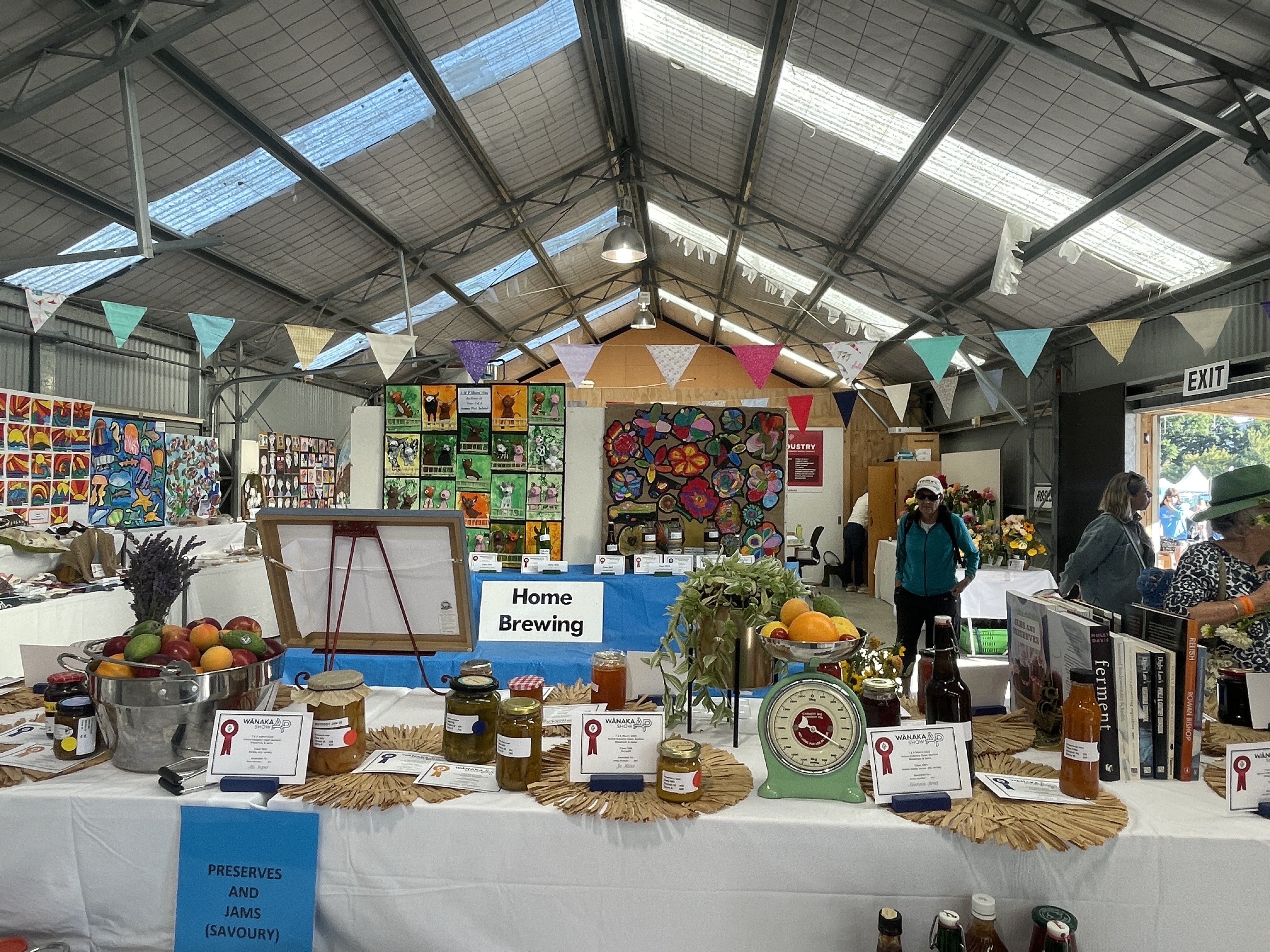
From baking plates and preserving jars to flowers, photography and hand-crafted creations, the Home Industry section remains one of the most loved and enduring features of the Wānaka A&P Show.Housed inside the Shepherdess Home Industry Pavilion, the section celebrates everyday skills and creativity, with locals of all ages encouraged to take part. Preschoolers exhibit alongside grandparents, first-time entrants compete next to seasoned exhibitors, and a wide range of categories including baking, preserves, produce, needlework, woodwork and arts and crafts, ensure there is something for everyone.Home Industry committee member Sarah Godfrey said the section plays a vital role in bringing the community together. Sarah has attended the show for more than 20 years and joined the committee last year.“After coming to the show for so long, I wanted to give something back,” she said. “I enjoy baking and gardening, so Home Industry felt like the perfect fit.”Home Industry committee member Sarah Godfrey. PHOTO: Supplied.Behind the scenes, a team of volunteers works throughout the year to plan the section, with show week bringing a flurry of activity as displays are set up, entrants welcomed and judges supported.“It’s a great group of people,” Sarah said. “I’ve picked up so many tips from other committee members, especially around gardening.”Sarah said anyone considering entering or volunteering should not be put off by a lack of experience. “You meet great people, learn new things and it’s a really fun couple of days,” she said. “It’s all about giving it a go.”The Wānaka A&P Show runs on March 13-14. Find out more about the Home Industry competitions here.The Home Industry competitions encourage creativity. PHOTO: Wānaka App

Wānaka search teams join ongoing effort to find missing tramper

05 January 2026, 11:31 PM

Specialist search teams from Wānaka are among those continuing a large-scale operation to locate missing tramper Connor Purvis, as Police intensify efforts in rugged alpine terrain near Lake Ōhau.Police said significant search activity continued yesterday (January 5) across the upper South Temple Valley, Mount Huxley and the Huxley River South Branch, with teams searching both on foot and by helicopter. Further searches today are focusing on Mount Huxley, the Huxley River South Branch and the upper Ahuriri River.Connor has not been seen or heard from since he left to climb Mount Huxley last Tuesday (December 30).Police Senior Sergeant Blair Dalton said a number of specialist teams were involved in today’s operation, including Wānaka-based canyon and drone teams.“Specialist search teams working today include Wānaka canyon and drone teams, the Dunedin cliff rescue team, and a number of Land Search and Rescue teams,” he said.“Police are interested to hear from anyone who has climbed Mount Huxley in the past several weeks.”Helicopter support for both searching and logistics is being provided by HeliVentures out of Ōamaru and The Helicopter Line from Mt Cook.Search teams have been operating in steep, exposed and difficult terrain as they work to locate him.Anyone with information that may assist the search is asked to contact Police on 105 and quote reference number 260102/2266.Related: Large-scale search for missing tramper near Lake ŌhauPHOTO: Supplied

Boost to Otago ground mapping project 

05 January 2026, 4:04 PM

The Ministry for the Environment (MfE) is contributing $1.2M toward an Otago Regional Council (ORC) project to advance fly-over LiDAR (light detection and ranging) ground mapping coverage across the region.LiDAR involves sending a beam of light from a device on a low-flying plane, which bounces back from the ground to give a measurement of land elevation. The technique is used to create elevation maps for large land areas. ORC’s natural hazards spatial analyst Andrew Welsh said Otago and parts of Fiordland are the only regions without full LiDAR coverage, so MfE’s contribution is invaluable in helping achieve full coverage across Otago in the near future.The map shows the four areas to be mapped, with the southwest quadrant (including Queenstown) to be captured first.Presently there’s about 10,200 square kilometres (sq km) of existing LiDAR data over 28 percent of Otago, with coverage including Dunedin and Mosgiel, down the coast from the Waitaki River to the Catlins, in parts of the Central Otago and Queenstown Lakes districts, plus the Clutha and Waitaki rivers’ catchments. “The new project and flyovers of four inland and the alpine lakes areas will collate a further 23,000sq km of data, or 72 percent of Otago,” Andrew said. “Combined with the earlier flyover data, there’ll be 100 percent LiDAR coverage of the province; all eventually accessible to the public. “The data LiDAR generates is invaluable in understanding and preparing for natural hazards, such as flooding, erosion or landslips, as well as assisting with infrastructure management, hydrology and catchment planning.” The LiDAR mapping information will be made publicly available for anyone to use once it is captured and processed.Otago and parts of Fiordland are the only regions in the country without full LiDAR coverage. Andrew said flights have already begun around Otago’s southwest area, with the entire project expected to be completed over two to three years. IMAGES: Supplied

Keeping water restrictions at bay

05 January 2026, 4:00 PM

Residents and visitors to Queenstown Lakes are encouraged to do their part to help save water this summer, using simple changes at home or the holiday house to safeguard water supplies.Queenstown Lakes District Council (QLDC) infrastructure operations manager Simon Mason said demand for water across the network was high, and despite a wet spring and a rainy start to summer, the forecast for the next few days is hot and dry.“We historically see water usage skyrocket over the Christmas and New Year period, and as we move into 2026 and get more of those hotter, drier days we all enjoy, that sprinkler or hose at home is likely to be used a lot more to keep gardens green and lawns lush,” he said.“Water is a limited and precious resource, but how we’re using it can become unsustainable very quickly in summer, putting our supplies at risk in the event of an emergency and potentially leading to temporary water restrictions if the network comes under enough strain.”He said there are plenty of quick and easy things to do at home to help keep reservoirs filled - and help achieve a summer free from water restriction.The biggest water saving efforts at home can be made when watering lawns or gardens, with residents encouraged to consider reducing their use of sprinklers or irrigation, and only watering late at night.This avoids the worst of the day’s heat and water being lost to evaporation, and also the busy morning and evening periods when water demand is at its highest.Other effective tips include saving up to 20 litres for every minute cut from time spent in the shower, and the simple act of turning off the tap while brushing teeth or shaving to save another 10 litres in the space of a minute.Another important step is to fix water leaks around the home and to notify QLDC of any on public land as soon as possible, helping to stop water that’s been treated, stored, and then piped across town ending up in the gutter and heading down a storm drain and straight back to the lake or river.Simon said while small tweaks to water use at home might not seem like much, collectively, enough people making one change would make a significant difference to the district’s water supplies.“We’re blessed with an abundant freshwater resource right in our backyards, but maintaining our water supplies will never be a case of just getting more from the lake aquifer,” he said.“Taking that water and constructing and operating the infrastructure needed to treat it, store it, and deliver it to taps around the district comes with a significant cost.“We’ve all had or seen the sprinkler blasting at midday, or the broken irrigation that’s just spent three hours watering a nearby road or footpath. It’s not the water we’ve got, it’s how we’re using it.”With water restrictions always a possibility as summer wears on and reservoir levels drop, signage was erected around the district to detail the different water alert levels and what residents and visitors are expected to do if restrictions are required.Read more: Water alerts in placeResidents and visitors can check out a range of tips and tricks to play their part and help save water at home here.PHOTO: Supplied

Large-scale search for missing tramper near Lake Ōhau

04 January 2026, 7:27 PM

A large-scale search is under way for a 20-year-old tramper missing in the Mount Huxley area near Lake Ōhau, with Police appealing to the public for information.Connor Purvis was last known to be tramping in the area after intending to climb Mount Huxley on or about December 30, descending via the Huxley River South Branch. When he failed to return, concerns were raised and a coordinated search effort was launched.Police Search and Rescue teams are leading the operation, supported by Land Search and Rescue volunteers from Omarama, Oamaru and Dunedin, as well as the Department of Conservation alpine rescue team from Aoraki/Mt Cook. Air support is being provided by Heliventures in Oamaru and The Helicopter Line at Mt Cook.IMAGE: peakery.com/Otago Coastal Search and Rescue coordinator Sergeant Matt Sheat said teams had been searching huts and campsites throughout the area but had not yet located any sign of Connor.“We ask anyone who has climbed Mt Huxley or has been tramping or hunting in the Huxley River South Branch between December 28 and January 2 to make contact with Police if they haven’t already,” Sergeant Sheat said.“We also want to hear from anyone who may have seen or spoken to Connor in the South Temple, Ahuriri or Huxley valleys in that same timeframe.”Connor is described as having red hair and a handlebar moustache.Anyone with information is asked to contact Police online, or by calling 105 and quoting reference number 260102/2266.PHOTO: Supplied / NZ Police

‘Exorbitant’ taxi fares a sign of holiday season

04 January 2026, 4:06 PM

Out-of-town taxi drivers have once again targeted Wānaka during the festive season, and locals have reported being quoted exorbitant prices for rides.Reports include people being quoted $450 for a ride from Rhythm & Alps (Cardrona Valley) into Wānaka on December 31.One group of six paid $125 each for a ride - a total of $750 for the carload.An out-of-town company charged a teenage girl $186 for a five kilometre taxi ride, according to a report on social media.A police spokesperson told the Wānaka App they had also received a report of a purported taxi owner “taking money ahead of time and not delivering the promised ride”. “Police are generally aware there can be people this time of year in the Wānaka and Queenstown areas who look to take advantage of visitors to the area by charging them exorbitantly for a taxi or car service,” the spokesperson said.“Often, these can be civil matters rather than criminal – as they can ultimately relate to a breach of contract – however, people can report matters to police via 105 for assessment.”Legitimate taxis must have an operator’s licence; the driver needs to have an ID card; the vehicle has to have a COF; and the taxis must have a meter. Wānaka’s Yello Taxis owner Ramash Swamy has told the Wānaka App some taxi businesses target towns like Wānaka which host events during the summer.Yello, a local company which has been operating for more than ten years, has a set pricing structure for fares.PHOTO: Noel Tock

‘Perfect day’ at Wānaka Rodeo 

04 January 2026, 4:04 PM

There were some nerve-wracking moments for the Wānaka Rodeo Club ahead of last week’s annual rodeo thanks to heavy rain, but the day itself was perfect, according to club president Ethan McNamara.The annual event, held on Friday January 2, attracted a capacity crowd of around 4,000 people.“It was a lot better than we were expecting with the weather,” Ethan told the Wānaka App.Despite the rain, the crowd “came in droves”, he said: “From the weather in the morning and until it stopped it was the perfect day for us, to be honest.”Wānaka Rodeo Club bronco Bandit had his last hurrah at the rodeo and will now retire to the paddock. PHOTO: SuppliedEthan said all the stock performed well and the day was “the final hurrah” for two club stalwarts: horses Bandit and Murphy.“Bandit finished with a buck off, it was quite nice to see for old Bandit. He’s now going to live his best life out in the paddock with Murphy.”The local bucking bronc, which is owned by the club, has won respect over the years for his character and big heart.Read more: Bandit steals heartsInvercargill cowboy Nate Robertson took out the second division Saddle Bronc ride and his first open Saddle Bronc; Tammy Taylor and ‘Gold’ won the Barrel Race contest, but standings leader Kate Hughes and ’Sister’ earned enough in second to retain their lead overall.Alexandra cowgirl Sky Sanders and ‘Cappi’ placed second in the Open Breakaway Roping contest; Oamaru cowboy Ryan Adam and ‘Streaker’ won the Steer Wrestling title; and Bianca Haugh and ‘Cinch’ won the second division Barrel Race.Clayton Perkins won the Junior Breakaway Roping, the Novice Steer Ride, and placed second in the Junior Barrel Race. He and his father Anthony then won the Team Roping contest.Ethan said the club ran a breakaway shootout round at the end of the rodeo for the top six times of the day, which was won by Sophie Smith of Tarras.Both vets and representatives from the Ministry of Primary Industries (MPI) are on hand at all rodeos to ensure stock wellbeing, and Ethan said he “had a good yarn to MPI after the rodeo and they were extremely happy with how things went”.

Finley Melville Ives opens 2026 with Calgary World Cup podium

03 January 2026, 9:50 PM

Wānaka freeski star Finley Melville Ives has opened 2026 with another strong international result, finishing second at the FIS Freeski Halfpipe World Cup in Calgary, Canada, on Sunday morning (January 4).The 19-year-old claimed his second World Cup podium of the season at the third stop of the tour, continuing the momentum from a standout start to the northern winter.“I’m so stoked, I can’t believe it - it’s been an incredible start to the World Cup season,” Finley said. “The conditions were pretty tricky today, but [I] managed to put my run down and land a trick I’d never done before in competition, so I am pretty hyped to tick that one off.”After topping qualification from his heat, Finley earned the advantage of dropping second to last in both finals runs. He made an immediate impact, delivering a near-flawless opening run to take the early lead.The pressure ramped up in the second run when American Nick Goepper responded with a highly technical performance, scoring 94.80 to move into first place. With the bar raised, Finley attacked his second run with intent, landing a switch left double corked 1440 safety grab for the first time in competition. Minor bobbles on two landings meant the run did not improve his opening score, leaving him second overall behind Nick Goepper, with Birk Irving (USA) third.Calgary Men’s Freeski Halfpipe World Cup podium. [L-R] Finley Melville Ives NZL (2nd), Nick Goepper USA (1st), Birk Irving USA (3rd). PHOTO: Snow Sports NZ.Fellow Wānaka skier Ben Harrington finished eighth in his best result of the season. The tour moves on to Aspen next weekend, with New Zealand’s slopestyle athletes also returning to competition as the countdown to the 2026 Olympic Winter Games reaches 33 days.

Transitioning from gas to electric homes

02 January 2026, 4:06 PM

New Zealand’s current store of natural gas is diminishing far faster than originally anticipated — with supply now projected to run out by 2026, three years earlier than previously forecast.Electrify Wānaka co-founder Jonathan Holmes says shrinking supply will drive up gas prices, affecting homeowners who rely on gas for water heating and cooking.Recently revised MBIE data revealed New Zealand’s natural gas supplies have already fallen 27 percent since 2024 and, although the government is investing in new fields, they won’t deliver immediate relief.Jonathan says rising costs are inevitable and transitioning homeowners away from gas is one of Electrify Wānaka’s key priorities.“There is a lot of uncertainty where New Zealand’s gas for industry and households will come from, but we can probably expect it to rise in cost considerably,” he said.He acknowledged electricity prices are also climbing but said electric hot water or heating systems and induction cooktops will still be cheaper to operate over their lifetime than gas.Another Electrify Wānaka goal is to encourage locals to offset increasing electricity costs by adding solar panels and battery storage to homes.Central Otago and Upper Clutha homeowners already pay some of the highest electricity charges in the country, higher even than Queenstown and Dunedin.Local electricity network provider Aurora Energy’s pricing schedule shows an increase of its daily fixed rate for line charges in April this year from 60c/day to 75c/day; also its peak power usage charge for this district went up to over 26c/kWh.Jonathan uses a drop saw powered by an electric vehicle at a recent Mitre 10 MEGA display.In comparison, Dunedin homeowners only pay 16c/kWh and Queenstown only 19.27c/kWh for the same peak power.And in November, it was announced those charges are set to increase further every year from 2026 to 2030 to pay for Aurora’s required investment in infrastructure.Homeowners generating their own solar power will help combat these price increases, Jonathan said.“If you’re building a new home then it's easy to include solar in the plans,” he said.Central government has just changed the Building Act to allow most rooftop solar installations up to 40m2 to be added to existing homes and commercial buildings without requiring a building consent.Jonathan said adding solar to a home is a significant investment but “we have data which shows that investment is repaid over a period of time.”“It also adds value to the home.”While switching from gas to electric appliances will save money, homeowners will benefit the most if they can offset their power consumption with rooftop solar and a fully electric car.“Solar panels have dropped considerably in price over recent years and EVs have reached cost parity with petrol and diesel vehicles,” he said, adding that some banks are also offering 0-1 percent loans for sustainable purchases, such as EVs and solar.Using renewable energy is “not just an environmental argument anymore; it's also an economic one”, he said.For further information about switching to electric or adding a solar rooftop system email [email protected] or contact the group via Facebook.PHOTOS: Supplied

Care for the land and water these holidays

02 January 2026, 4:04 PM

This summer, Toitū Te Whenua Land Information New Zealand (LINZ), Otago Regional Council (ORC), and Central Otago District Council (CODC) are encouraging everyone to take extra care of our land and waterways. “Summer is a fantastic time to get outdoors, but it’s also when our environment and facilities feel the most pressure,” LINZ land and waterways leader Lee Farnhill said. “If you’re staying at one of our freedom camping sites, please follow the site rules and treat the facilities with care. “Toilets and bins are there for everyone, keeping them clean and functional helps ensure a great experience for all.” CODC waste minimisation officer Abi Hawkins said using the district council’s transfer stations is the easiest and most effective way to dispose of rubbish responsibly. “Leaving rubbish behind spoils it for others and harms the environment. Every item taken to a … transfer station helps reduce litter and protect our community spaces. It’s a simple action that makes a big difference for everyone.” ORC Harbourmaster Steve Rushbrook reminded people to look after themselves and the lakes during the busy summer season. “If you’re heading out on the water, make sure your lifejacket is in good working order before you leave land,” he said.“That means checking for a proper fit, ensuring there are no rips or tears, and confirming it floats as it should. “We’re also asking people to Check, Clean, and Dry their watergear and boats between different waterways to help stop the spread of invasive aquatic weeds.”The three agencies are encouraging everyone to play their part this summer, and:Take all rubbish home or use council transfer stationsCheck, Clean and Dry watergear and boats to prevent the spread of aquatic weedsCheck the safety of your lifejacketFreedom camp only in designated areas and stick to the rules of the campsiteRespect wildlife and other visitorsWhether you’re hiking, camping, or swimming, we all have a role to play in protecting the natural taonga that make this area so special, they said.PHOTO: Wānaka App

Making the most of outdoor adventures 

02 January 2026, 4:00 PM

New Zealand Mountain Safety Council (MSC) is calling on hikers and trampers to use the New Zealand Land Safety Code as their go-to guide for safe and enjoyable outdoor adventures this summer.   “Summer is Aotearoa New Zealand’s peak tramping season and many people will be heading out across the motu to enjoy the great outdoors,” MSC chief executive Mike Daisley said.“Unfortunately, every year people get into trouble, but with the right planning and preparation, most of these situations are preventable.” The Land Safety Code is an easy-to-follow five-point guide covering practical advice and safety tips whether you’re heading out on a short walk, demanding day hike, an overnight tramp with the kids or challenging multi-day trip. Plan My Walk, MSC’s free trip planning tool, makes it easy to put the code into practice, Mike said. The free app and website have detailed track descriptions including valuable user reviews, weather forecasts and warnings, gear lists, and a planning function that makes sharing a trip plan with an emergency contact simple. “By following the code and using Plan My Walk we hope more people will plan thoroughly and keep safety top of mind over the holiday period,” Mike said. “We want people to get the most out of their outdoor adventures and make it home safe at the end of the day.”MSC has launched a series of initiatives to improve tramper safety recently, including a video series of 16 popular tracks, including the Roys Peak Track, as well as another video highlighting the dangers of the Brewster Track.Read more: Hazardous popular track subject of videoThe New Zealand Land Safety Code was redeveloped in 2020 by outdoor safety, and search and rescue organisations, like MSC, the Department of Conservation, and Land Search and Rescue.New Zealand Land Safety Code:Choose the right trip for you. Use Plan My Walk to learn about the route and make sure you have the skills for it.Understand the weather – it can change fast. Check the forecast and any warnings on Plan My Walk and change your plans if needed.Pack warm clothes and extra food so you’re prepared for bad weather and an unexpected night out. The gear lists on Plan My Walk make this easy.Share your plans and take ways to get help. Telling a trusted person your trip details and taking a distress beacon can save your life. Plan My Walk helps you build a solid trip plan and share it with an emergency contact.Take care of yourself and each other. Eat, drink and rest, stick with your group, and make decisions together.PHOTO: Supplied

Wānaka sees in New Year peacefully

01 January 2026, 4:15 AM

Years of consistent messaging from stakeholders such as police, Red Frogs, schools, and community groups has had an impact on the behaviour of young people - and their parents - over New Year.A police spokesperson told the Wānaka App it was “a pretty good night in Wānaka”, with the only significant issue being a 29-year-old man being arrested for disorderly behaviour in a bar and assaulting police.Red Frogs media spokesperson Shannon Thompson said the volunteer organisation (which safeguards young people in alcohol-fuelled environments) had witnessed “little bits of aggression but nothing major” over the festive period.“Overall the last few nights have been really good,” she said.One on-looker at the lakefront on New Year’s Eve told the Wānaka App the event was “chocka”, with an estimated 80 percent of the crowd made up of young people.“Five young guys came out of the crowd and stripped off and swam to the pontoon right before midnight,” she said.Shannon said the 35 Red Frog volunteers in Wānaka dealt with kids aged 14 years old and up.“A lot of under-agers still,” she said, adding it was great to see “friends looking after friends”.“We’ve had a great response from parents, with this year parents being available to collect their kids and be available when we call.”She said consistent messaging has led to “greater awareness for parents that they have to be available to look after their children as well”.Read more: Youth, alcohol and safety in Wānaka this New YearSafe Summer in Wānaka: Path Wānaka campaign for teens and visitorsOn New Year’s Eve the volunteers handed out more than 2,000 cups of water, cooked more than a thousand pancakes, and actively cared for 31 people in the Red Frogs safe zone.Shannon said this could mean the person was checked out by a medic, or had a volunteer sit with them if they were intoxicated or distressed.Rhythm & Alps attendees enjoying the 15th anniversary event.Meanwhile the Rhythm & Alps Festival in the Cardrona Valley (from December 29-31) attracted an estimated crowd of 10,000 partygoers for the 15th anniversary of the event.PHOTOS: Supplied

1-20 of 2139